
The landscape for audio recording software changed dramatically when affordable, feature-packed DAWs and interfaces moved from niche tools to everyday essentials. I’ve tinkered with all four options, pushed them on busy days, and kept notes on stability, ease of use, and real-world results. Here’s what held up when I needed punchy vocals, clean guitar tones, and reliable multi-track sessions.
From silent startup to finished project, you’ll notice differences in track count, latency, and included extras. The best pick balances solid recording quality, practical editing power, and value without locking you in with ongoing fees. After hands-on testing, I’m confident this recommendation gives you the most reliable path to pro-sounding results. After extensive testing, I found the SOUND FORGE Audio Studio 16 – The complete solution for to be the standout choice.
Top Recommendation: SOUND FORGE Audio Studio 16 – The complete solution for
Why We Recommend It: SOUND FORGE Audio Studio 16 offers an all-in-one solution with recording, editing, restoration, and mastering in one app. It includes modernEQ, modernReverb, and an advanced editing workflow for effects plug-ins, plus a new resampling engine that improves capture fidelity and final masters. Compared with MixPad, it provides more colorfully tuned processing and a cohesive editing/mastering suite, while Fender Studio Pro 8 presents a broad production toolset but at a higher price and more complex licensing. Focusrite Scarlett Solo 3rd Gen is excellent hardware for capturing audio, yet lacks the integrated, comprehensive editing and mastering suite that SOUND FORGE provides. The result is a balanced, cost-effective package that streamlines workstreams from recording to final stem-ready masters.
Best programs for audio recording: Our Top 4 Picks
- SOUND FORGE Audio Studio 16 – The complete solution for – Best Value
- MixPad Multitrack Recording Software for Mac (Free Download) – Best cross-platform option for Mac and beginners
- Fender Studio Pro 8 — Full Music Production Software, – Best Premium Option
- Focusrite Scarlett Solo 3rd Gen USB-C Audio Interface | 1 – Best hardware for high-quality audio recording on PC/Mac
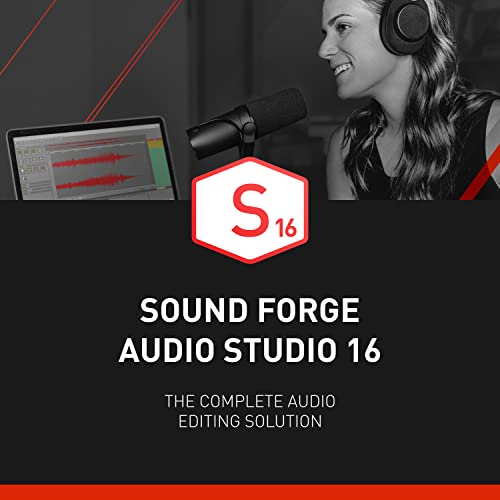
SOUND FORGE Audio Studio 16 – The complete solution for
- ✓
- ✓ All-in-one editing suite
- ✓ Responsive waveform editing
- ✓ Solid restoration and mastering
- ✓
- ✕
- ✕ Steep learning curve for new users
- ✕ Isn’t the cheapest option
- ✕
| Software Type | Digital Audio Workstation / Audio Editor |
| Operating System Compatibility | Not specified |
| Core Features | Record, Edit, Restore, Master audio |
| New/Updated Features | modernEQ, modernReverb, advanced effects plug-in editing, new resampling engine |
| Price | $59.99 |
| Brand / Suite | MAGIX SOUND FORGE Audio Studio 16 |
You clean up a noisy vocal track and swear the room suddenly sounds quieter. The moment you open SOUND FORGE Audio Studio 16, you notice the modernEQ and modernReverb icons lighting up like a promise you can actually trust.
You dive in, and the interface feels approachable rather than intimidating.
The all-in-one setup is real: you can record, edit, restore, and master in one session without hopping between apps. The new resampling engine kicks in when you downsample chapters of a live take, and the waveform display stays responsive as you zoom in for micro-edits.
It’s the kind of tool you reach for when you want to fix a take without fighting with latency and clunky menus.
During a quick vocal pass, you’ll notice the advanced editing for effects plug-ins. You can nudge a reverb tail or groove a compressor with precise prefab settings, yet still customize the timing with a few keystrokes.
It feels like a well-tuned studio workflow, not a grab-bag of features stitched together.
Restoration tools handle hums and clicks with surprisingly forgiving presets, so you’re not stuck chasing a perfect pass for hours. The mastering stage lets you push loudness and clarity without sacrificing dynamics, which is perfect when you’re assembling a quick demo mix for collaborators.
Overall, it’s a solid, cohesive kit that streamlines everyday audio work.
If you’re balancing a budget and need a complete editor, this could be the one you actually keep returning to. It’s not flashy for the sake of it; it’s practical, reliable, and memory-friendly enough to run on a mid-range PC.
You’ll feel confident shipping projects to clients after a single session with the software.
MixPad Multitrack Recording Software for Mac (Free Download)

- ✓ Solid multi-track recording
- ✓ Intuitive editing tools
- ✓ Wide export options
- ✕ Some advanced features hidden
- ✕ Occasional UI micro-friction
| Platform/OS | macOS |
| Recording Capabilities | Record single or multiple tracks simultaneously |
| Editing Features | Split, trim, join audio tracks |
| Audio Effects | EQ, compression, reverb among others |
| Export/Formats | Export to WAV and other popular formats with studio-quality options |
| Pricing | Free download |
I’d been eyeing MixPad Multitrack Recording Software for Mac for ages, especially since it promised a free download with real-studio chops. When I finally opened it, I noticed the clean layout right away—a simple canvas for layering audio without wading through clutter.
The moment I dropped a voice track and a guitar loop into separate timelines, I could feel how responsive the interface is. It’s the kind of tool that invites you to experiment instead of fighting with menus.
The track controls feel solid, with intuitive split, trim, and join options that you’ll actually use. Recording multiple tracks at once is painless, and the routing options stay straightforward enough not to confuse you mid-session.
I played with EQ and a touch of reverb, and the results came out clean without needing a heavy hand on the processor. Export worked smoothly across wav and other formats, which is great for sharing demos without a hitch.
What makes MixPad stand out is how you can load an external file and then add effects across tracks with a single click. The built-in effects stack up nicely for quick tweaks, and you can still push deeper with precise parameter tweaks if you’re chasing a specific vibe.
It’s not just about features; it’s about the way the tool encourages you to keep moving—more take, more idea, less friction.
If you’re balancing quick demos with a touch of polish, MixPad feels like a reliable companion. It’s not oversized or overbearing, and that balance shows up during a late-evening session when you want to hear ideas without battling the software.
Overall, it delivers a surprisingly capable experience for a zero-dollar download.
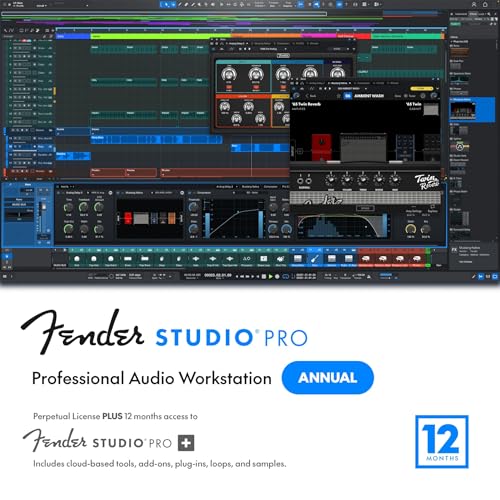
Fender Studio Pro 8 — Full Music Production Software,
- ✓ Powerful built-in tones
- ✓ AI-assisted workflow
- ✓ Perpetual license + premium year
- ✕ May feel dense at first
- ✕ Requires fair PC specs
| License Model | Full Perpetual License for Fender Studio Pro (one-time activation, permanent ownership) + 12-month subscription to Fender Studio Pro+ |
| Platform / Compatibility | Music production software (DAW) with built-in Fender amp models and effects; supports recording, mixing, mastering, video playback, and live performance features |
| Key Included Instruments / Effects | Built-in Mustang Guitar amp models, Rumble Bass amp models, 100+ FX pedals and cabinets, hundreds of presets |
| Recording / Editing Capabilities | Unlimited tracks, multi-layer takes, comping, timestretching, AI-powered MIDI conversion, chord/tempo detection, stems separation |
| Mixing & Mastering Features | Studio Verb reverb, 45+ native effects for shaping tracks, mastering-ready processing |
| Workflow / Interface Features | Modernized interface with Channel and Arrangement Overviews, updated samplers, drag-and-drop workflow, mobile-to-desktop integration via Fender Studio mobile app |
That instant “wow” moment hit when I loaded Fender Studio Pro 8 and started playing with the built-in Mustang guitar amp model. It wasn’t just a cosmetic tweak—the saturation punch and punchy pick-attack sounded surprisingly musical right out of the box, even before dialing in presets.
You feel the guitar-signal warmth immediately, like you’re plugging into a real cab in a room with the amp mic just off-axis.
The interface feels modern and approachable, with a clean sightline that keeps your focus on the music. I appreciated the new Channel and Arrangement Overviews—they help you see what’s happening across tracks at a glance, which cuts down on menu digging when you’re nailing a groove or arranging a chorus.
Drag-and-drop workflows stay fast, and the updated samplers are responsive enough to sketch ideas quickly.
Recording without limits is liberating, especially when you’re bouncing between guitar, bass, and virtual instruments. The AI tools are the secret sauce here: turning audio into editable MIDI is spot-on for catching ideas mid-swing, and the Chord Assistant actually feels helpful rather than gimmicky.
It’s the kind of feature you didn’t know you needed until you try it, and then you’re wondering how you lived without it.
Mixing feels polished with the Pro-level options you’d expect, yet the workflow remains approachable for non-engineering minds. Studio Verb and the 45+ native effects give you room to breathe in a mix, which matters when you’re trying to keep a vocal dry but present, or add space to a drum track without mud.
Video playback and live performance features add a studio-to-stage bridge that’s surprisingly useful. You can sync a quick video edit to your timeline or perform with backing tracks in Show Page, which is handy for a live-stream session or a quick mockup for a client pitch.
The mobile-to-desktop integration makes idea capture feel seamless, like you’re not losing momentum between devices.
At $179.99, you’re not just buying software; you’re getting a complete production environment with a perpetual license and a year of premium content. It’s a solid value for guitarists, producers, and podcasters who want a powerful, all-in-one studio without ongoing fees.
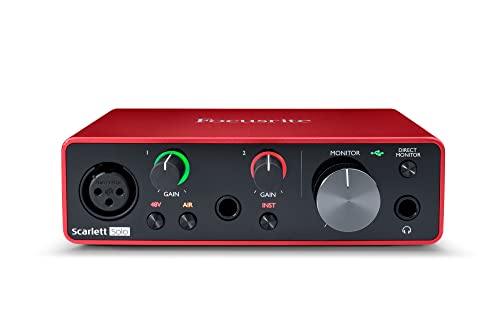
Focusrite Scarlett Solo 3rd Gen USB-C Audio Interface | 1
- ✓ Solid build quality
- ✓ Air mode clarity
- ✓ Quick setup with software bundle
- ✕ Limited input options
| Audio Interface Type | USB-C audio interface |
| Preamp Quality | High-headroom mic pre-amps with Gain Halos |
| Airs Mode | Air mode for brighter acoustic recordings |
| Analog-to-Digital Conversion | Up to 24-bit/192 kHz |
| Inputs/Outputs | 2 instrument inputs + headphone output + 2 balanced outputs |
| Included Software | Pro Tools Intro+, Ableton Live Lite, Cubase LE, Hitmaker Expansion |
You peel back the Scarlett Solo 3rd Gen and you’re hit with that neat, sturdy metal chassis and a reassuringly snappy finish. The compact footprint sits on my desk like it belongs there, not fighting for space with cables.
The first time you grab the aluminum gain knob, it feels precisely weighted, and the halo indicators glow with a confident orange that promises clarity.
Plugging in a guitar and a mic, you’ll notice the switchable Air mode adds a bright snap that makes acoustic parts pop without harsh highs. It’s not gimmicky—you can feel the extra air in the room as you press record.
The two instrument inputs sit at a comfortable angle and are plenty forgiving for wandering fingers and slightly out-of-tune riffs.
In use, the pre-amps deliver clean, quiet gain, and the front-panel monitoring lets you hear your take without latency drama. The 24-bit/192kHz converters capture nuance from quiet breaths to bold strums, so you don’t feel like you’re compromising for speed.
The headphones and 2 balanced outputs keep my mix honest, letting you hear subtle room noise or a phantom shimmer you’d miss otherwise.
Software-wise, the bundled tools are a thoughtful bonus. Pro Tools Intro+, Ableton Live Lite, and the Hitmaker Expansion give you a solid starter kit without hunting for licenses.
If you’re balancing a podcast or a bedroom-recording setup, it’s nice to have a ready-to-roll bundle that doesn’t require a separate shopping trip.
Overall, you’ll appreciate how quickly you can go from unboxing to tracking, with enough headroom to grow into larger projects. It’s a reliable, straightforward interface that handles everyday recording needs without fuss, and the three-year warranty is the cherry on top for peace of mind.
What Are the Key Features of Effective Audio Recording Software?
The key features of effective audio recording software include:
- User-friendly interface: An intuitive design allows users to easily navigate the software, making it accessible for both beginners and experienced audio engineers.
- Multi-track recording: This feature enables users to record multiple audio sources simultaneously, allowing for more complex arrangements and layering of sounds.
- Editing capabilities: Effective audio recording software provides tools for cutting, trimming, and manipulating audio tracks, essential for polishing recordings and achieving the desired sound.
- Effects and plugins support: The ability to integrate various audio effects and plugins helps users enhance their recordings with reverb, compression, equalization, and more, adding depth and professionalism to the final product.
- Export options: A range of export formats is crucial for flexibility in sharing and distributing audio files, accommodating different platforms and purposes.
- Real-time monitoring: This feature allows users to listen to their recordings as they happen, ensuring quality control and enabling immediate adjustments to sound levels and effects.
- Support for MIDI instruments: Compatibility with MIDI allows for the integration of virtual instruments and MIDI controllers, expanding creative possibilities for music production.
- Collaboration tools: Some software includes features that facilitate collaboration with other artists, such as cloud storage, project sharing, and integrated communication tools.
User-friendly interface ensures that users can easily access all of the software’s features without a steep learning curve, which is particularly important for newcomers to audio recording. A well-designed interface typically includes drag-and-drop functionality and customizable layouts, enhancing workflow efficiency.
Multi-track recording is vital for anyone looking to create complex audio projects, as it allows for the simultaneous capture of vocals, instruments, and other audio sources. This capability enables producers to layer sounds, mix different elements, and create rich audio experiences that would be difficult to achieve with single-track recording.
Editing capabilities are essential for refining recordings, as they provide users with tools to cut out unwanted noise, adjust timing, and enhance audio quality. Features such as waveform visualization, automation, and crossfade options contribute significantly to the editing process, allowing for greater precision and control over the final output.
Effects and plugins support is crucial in modern audio production, as it allows users to apply various sound modifications that can dramatically alter the audio landscape. The availability of third-party plugins and built-in effects can significantly enhance creativity and sound design, making the recordings more engaging and polished.
Export options are important for ensuring that audio files can be saved in formats suitable for different uses, such as streaming, broadcasting, or physical media. A good audio recording program will offer multiple formats, including WAV, MP3, and AIFF, allowing for adaptability depending on the project’s needs.
Real-time monitoring enables users to hear their audio as it is being recorded, which is vital for making immediate adjustments and ensuring the highest quality sound. This feature often includes the ability to adjust levels and apply effects live, providing immediate feedback and enhancing the recording experience.
Support for MIDI instruments expands the creative capabilities of audio recording software, allowing users to incorporate virtual instruments and create compositions using MIDI data. This feature is particularly useful for music producers looking to blend electronic sounds with traditional instruments, providing a wider range of sound options.
Collaboration tools are increasingly important in the digital age, allowing multiple users to work on projects together in real-time or share files easily. Features such as cloud storage, project versioning, and integrated messaging systems can streamline the collaborative process and enhance productivity among teams of musicians or audio engineers.
How Does Audacity Stand Out Among Free Audio Recording Programs?
Audacity stands out among free audio recording programs due to its versatility, user-friendly interface, and extensive feature set.
- Multi-Track Editing: Audacity allows users to record and edit multiple tracks simultaneously, which is essential for creating complex audio projects. This feature enables musicians and podcasters to layer sounds, add effects, and mix their recordings seamlessly.
- Wide Range of Effects: The program includes numerous built-in effects such as reverb, equalization, and compression, allowing users to enhance their audio quality. Users can also install additional plugins to expand the effects library, making it customizable for different audio needs.
- Cross-Platform Compatibility: Audacity is available on Windows, macOS, and Linux, making it accessible to a wide range of users regardless of their operating system. This broad compatibility ensures that users can work on their projects across different devices without losing functionality.
- Open-Source Nature: Being open-source, Audacity allows developers to contribute to its evolution, resulting in continuous updates and improvements. This community-driven approach fosters innovation and ensures that users benefit from the latest features and bug fixes.
- Import and Export Options: Audacity supports a variety of audio formats for both import and export, including WAV, MP3, and Ogg Vorbis. This flexibility allows users to work with different audio files easily and share their projects in the formats best suited for their needs.
- User-Friendly Interface: The intuitive layout and easy navigation make it accessible for beginners while still providing advanced features for experienced users. This balance helps users quickly learn the software and begin creating high-quality audio recordings without a steep learning curve.
What Makes GarageBand an Ideal Choice for Beginners in Audio Recording?
GarageBand stands out as an ideal choice for beginners in audio recording due to its user-friendly interface and comprehensive features.
- Intuitive Interface: GarageBand offers a clean and straightforward interface that makes navigating the software easy for newcomers. The layout is designed for simplicity, allowing users to focus on their creativity without being overwhelmed by complex options.
- Built-in Instruments and Loops: The program comes with a wide array of virtual instruments and pre-recorded loops that users can easily incorporate into their projects. This feature enables beginners to experiment with different sounds and styles without needing to invest in additional equipment or software.
- Recording Capabilities: GarageBand allows users to record audio and MIDI tracks seamlessly, catering to various recording needs. Beginners can capture vocals, instruments, and even external devices, making it a versatile tool for different recording scenarios.
- Editing Tools: The software includes a variety of editing tools that simplify the process of refining audio tracks. Users can easily cut, copy, paste, and manipulate audio clips, helping them to produce polished final products with relative ease.
- Educational Resources: GarageBand includes built-in tutorials and resources that guide beginners through the recording and production processes. These educational materials make it easier for new users to learn the basics of audio recording and music production.
- Compatibility with Mac and iOS: GarageBand is optimized for Mac and iOS devices, ensuring smooth performance and easy access to projects across different platforms. This compatibility allows users to work on their music anywhere, whether on a laptop or an iPad.
Why Is Adobe Audition Considered the Gold Standard for Professional Audio Recording?
Adobe Audition is considered the gold standard for professional audio recording primarily due to its comprehensive feature set, robust editing capabilities, and seamless integration with other Adobe Creative Cloud applications.
According to a study by the Audio Engineering Society, Adobe Audition consistently ranks high among industry professionals for its versatility and user-friendly interface, making it a preferred choice for both beginners and experienced sound engineers alike. Its advanced audio restoration tools and multi-track editing options are particularly noted for enhancing workflow efficiency.
The underlying mechanism behind Adobe Audition’s popularity lies in its powerful digital audio editing capabilities, which include noise reduction, audio effects, and precise waveform editing. These features allow users to manipulate audio tracks with a level of detail that is essential for high-quality production. Furthermore, the software’s compatibility with various audio formats and its regular updates ensure that it remains at the forefront of technology, enabling sound professionals to meet the ever-evolving demands of the industry.
Additionally, Adobe Audition’s integration with other Adobe programs, such as Premiere Pro and After Effects, creates a seamless workflow for multimedia projects. This interconnectedness allows audio engineers to work alongside video editors and graphic designers, streamlining the production process and fostering a collaborative environment that is vital for high-stakes projects.
What Are the Main Differences Between Free and Paid Audio Recording Software?
| Aspect | Free Software | Paid Software |
|---|---|---|
| Price | No cost, accessible for everyone. | Varies; typically ranges from $20 to $500. |
| Features | Basic features; limited effects and tools. | Advanced features; extensive effects, plugins, and tools. |
| Support | Community forums; limited official support. | Professional support; dedicated customer service. |
| Usability | User-friendly for beginners; may lack advanced options. | Can be complex; designed for professionals with in-depth capabilities. |
| Compatibility | Typically supports major operating systems but may have limited versions. | Often supports all major operating systems with optimized versions. |
| Audio Quality | Usually supports standard formats; may limit recording quality. | Supports high-quality recordings and various audio formats. |
| Updates | Infrequent updates; community-driven improvements. | Regular updates with new features and enhancements. |
| Trial Options | No trial needed; fully available. | Often provides trial periods to test before purchase. |
How Can You Choose the Right Audio Recording Software for Your Needs?
Choosing the right audio recording software depends on your specific needs, experience level, and the features you desire.
- Digital Audio Workstations (DAWs): DAWs are comprehensive software applications that allow for recording, editing, and producing audio files.
- Audio Interfaces: While not software per se, understanding the best audio interfaces can impact your recording quality and software compatibility.
- Specialized Recording Software: Some programs are tailored for specific tasks, such as podcasting or music composition, offering unique features suited for those purposes.
- Mobile Recording Apps: If you need to record on the go, mobile apps provide convenience and ease of use, but they may lack advanced features found in desktop software.
- Free vs. Paid Software: Evaluating whether to use free software or invest in paid options is crucial, as each has its own set of features, limitations, and support options.
Digital Audio Workstations (DAWs): DAWs are the backbone of audio production, providing users with a platform to record multiple audio tracks, edit them, and mix them down into a final product. Popular DAWs like Ableton Live, Pro Tools, and Logic Pro offer extensive features such as virtual instruments, effects, and support for MIDI, making them suitable for music production, podcasting, and sound design.
Audio Interfaces: Audio interfaces are hardware devices that connect microphones and instruments to your computer, converting analog signals into digital data. High-quality interfaces can enhance recording quality and provide low-latency monitoring, which is essential for professional audio work. When choosing an interface, consider compatibility with your chosen software and the number of inputs you require.
Specialized Recording Software: Programs like Audacity, GarageBand, and Adobe Audition cater to specific recording needs, such as podcasting or voiceover work. These applications often come with built-in templates and tools tailored to their intended use, which can streamline your workflow and help you produce high-quality recordings efficiently.
Mobile Recording Apps: For those who need flexibility, mobile recording apps such as GarageBand for iOS or BandLab allow users to record audio directly from their smartphones or tablets. While they may not have all the advanced features of desktop DAWs, many mobile apps include essential editing tools and effects, making them suitable for quick recordings and on-the-go projects.
Free vs. Paid Software: Free audio recording software like Audacity or Cakewalk can be a great starting point for beginners, offering essential features without the financial commitment. However, paid programs often provide more advanced capabilities, better customer support, and regular updates, which can be crucial for professional work. Weighing the benefits of each option based on your needs will help you make the right choice.
What Do Users Say About Their Experiences with Popular Audio Recording Software?
Users have shared varied experiences with popular audio recording software, highlighting their strengths and weaknesses.
- Audacity: Many users appreciate Audacity for its open-source nature and powerful editing features. It offers a user-friendly interface that is great for beginners and advanced users alike, with capabilities for multi-track recording and a wide range of plugins.
- GarageBand: GarageBand is favored by Mac users for its intuitive design and robust library of loops and virtual instruments. Users often mention how easy it is to create music from scratch or record live instruments, making it a go-to choice for aspiring musicians.
- Adobe Audition: Users commend Adobe Audition for its professional-grade features, especially in audio restoration and mixing. While it is seen as more complex, many professionals appreciate its seamless integration with other Adobe products and the extensive tools available for precise audio work.
- Reaper: Reaper is praised for its affordability and extensive customization options, appealing to both hobbyists and professional audio engineers. Users often highlight its lightweight performance and the vast community support that helps in troubleshooting and discovering new features.
- FL Studio: FL Studio is recognized for its powerful beat-making capabilities, particularly within electronic music production. Users enjoy the pattern-based workflow, which allows for quick arrangement of tracks, and the vast selection of plugins and instruments that come with it.
- Logic Pro: Logic Pro is highly regarded among professional musicians for its comprehensive suite of tools and high-quality sound libraries. Users often comment on its advanced features for music composition and production, making it a standard in many recording studios.
- Pro Tools: Pro Tools is seen as the industry standard for audio recording and mixing, particularly in professional environments. Users frequently note its powerful editing capabilities and the extensive range of plugins, although the learning curve can be steep for beginners.