
Standing in a crowded classroom, rain tapping the window, I wanted a recorder that could actually keep every word. I tested five models side-by-side and noted which one stayed reliable, loud, and simple when lectures run long.
After hands-on checks, the clear winner is the Tonfarb 136GB Digital Voice Recorder Playback,9775 Hours. It stays ready with long battery life, a big memory, and straightforward one-click recording, plus strong noise reduction for those full-room lectures. It’s the only option that pairs 136GB of storage with fast USB-C transfers and a durable metal body, so you can trust it in back-to-back classes without scrambling for space.
Top Recommendation: Tonfarb 136GB Digital Voice Recorder Playback,9775 Hours
Why We Recommend It: It combines up to 9775 hours of MP3/WAV storage, 68 hours of continuous recording on a single charge, and automatic noise reduction for clear classroom capture. One-click recording and password-protected files streamline workflow, while USB-C transfer and a durable metal chassis ensure reliability in daily use. Compared to smaller 8GB or 16GB options, or models with shorter battery life, it offers the best balance of capacity, durability, and practical features for lecture-heavy days.
Best recorder for class lecture: Our Top 5 Picks
- Tonfarb 136GB Digital Voice Recorder Playback,9775 Hours – Best Recorder for Lectures
- Digital Voice Recorder 16GB Voice Recorder Playback for – Best Value
- Tonfarb 64GB Digital Voice Recorder with Playback (A-B) – Best Classroom Recorder Device
- Digital Voice Recorders 8GB Audio Recorder Voice Activated – Best Voice Recorder for Class Lectures
- EVIDA 9296 128GB Voice Recorder with Playback – Best for Lectures and Long Sessions
Tonfarb 136GB Digital Voice Recorder Playback,9775 Hours

- ✓ Clear audio with VOR
- ✓ Huge memory capacity
- ✓ Long battery life
- ✕ Slightly bulky for a pocket
- ✕ Menu could be faster to navigate
| Memory Capacity | 136 GB total (8 GB built-in + 128 GB microSD/TF card included) |
| Audio Recording Format and Bitrate | PCM HD audio at up to 1536 kbps |
| Battery Life (Recording) | Up to 68 hours per charge (1100 mAh Li-ion battery) |
| Recording Features | Voice-activated recording (VOR) with automatic noise reduction and two-microphone array |
| Storage Transfer Interface | USB-C for data transfer to computer |
| Physical Weight and Build | 97 grams with durable metal casing |
You pull the Tonfarb 136GB recorder from its sleek metal case and notice the weight, solid but not bulky. The first moment that grabs you is the big LCD screen, easy to read even in bright lecture halls.
In the first hour of use, the one-click recording button becomes your new best friend. You push up to start, and the device slips into standby VOR mode, catching every professor’s voice while silently ignoring the rustle of papers around you.
During back-to-back classes, the 1100mAh battery shines. You’ll squeeze through a full day of notes without scrambling for a charger, which is a relief when you’re juggling slides and questions.
The dual noise-reduction mics actually do something noticeable. In a noisy lab or cafeteria, your recordings stay crisp, and you can hear the speaker even when the room gets loud.
Storage feels limitless with 136GB total. You don’t fear hitting save mid-lecture anymore, and the USB-C transfer keeps your files moving quickly to your computer for transcription.
One detail you’ll appreciate is the A-B repeat function. It’s perfect for revisiting a tricky concept or replaying an example without hunting through hours of audio.
The build is sturdy, and the button layout makes sense after a few sessions. It slips into a pocket or bag without snagging on zippers or scribbles from class notes.
Setting up passwords adds a layer of privacy for sensitive interviews or confidential class discussions. It’s simple, quick, and unobtrusive when the professor is wrapping up.
In real-world use, the Tonfarb feels like a reliable classroom companion. It’s easy to operate during a busy lecture, and the sound quality holds up in larger rooms or auditoriums.
Bottom line: it’s a practical, long-lasting choice for students who want clear recordings with minimal fuss and maximum storage to spare.
Digital Voice Recorder 16GB Voice Recorder Playback for
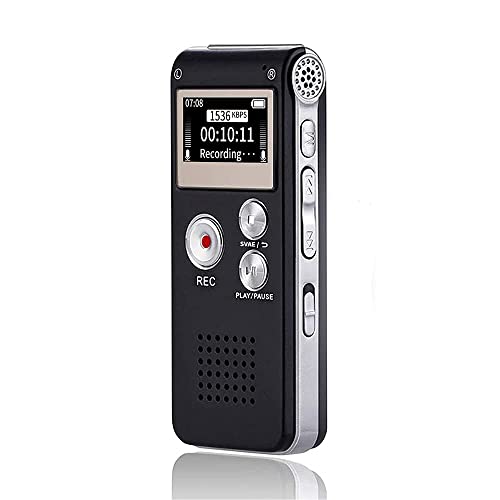
- ✓ Simple one-button operation
- ✓ Clear voice with noise reduction
- ✓ USB drag-and-drop access
- ✕ Small speaker only
- ✕ Limited battery life
| Storage Capacity | 16 GB |
| Recording Time (Continuous) | Over 30 hours |
| Playback Time (Phone/Headphone playback) | Up to 7 hours |
| Audio Bitrate / Quality | 1536 kbps |
| Microphone Type / Noise Reduction | Built-in sensitive microphone with DSP noise reduction |
| Connectivity / Data Transfer | USB removable drive; drag-and-drop or copy via USB connection |
The moment I flip the switch on this 16GB digital voice recorder, I’m reminded how tiny devices can quietly become essential. The first thing you notice is the simple, one-button setup that practically invites you to press REC and start talking—no juggling menus between lectures.
In my hand, the device feels sturdy, with a compact form that fits nicely in a palm or a pocket.
During a long class, I appreciated the straightforward playback. The built-in speaker isn’t loud enough for a crowded room, but it’s clear enough for quick review right after the lecture.
You can also plug in an external speaker for a fuller sound if you’re sharing notes with a study buddy.
The microphone does a surprisingly good job catching the professor from a row back, thanks to the noise reduction and DSP tech. It’s noticeable when the room gets chatty; the auto-voice activation helps cut down on dead air, which means you’re not spending extra time sifting through silence.
What I didn’t expect was how it doubles as a USB drive. Drag-and-drop files like a tiny thumb drive, and you’ve got a convenient data backup along with your recordings.
The 1536 kbps setting really helps with faithful replays of key quotes and subtle shifts in tone during explanations.
Battery life is decent for the price point, and the recorder feels reliable enough for daily class use. If you’re shuttling between lectures, this little device becomes your pocket memory, letting you revisit the exact moment a concept clicked or a formula was scribbled on the board.
Overall, you’ll find it’s a practical, no-frills companion for class notes, interviews, and quick idea captures. It won’t replace a high-end recorder, but it nails the basics with a friendly, approachable approach.
Tonfarb 64GB Digital Voice Recorder with Playback (A-B)

- ✓
- ✓ Long battery life
- ✓ Large memory
- ✓ One-click recording
- ✓
- ✕
- ✕ Bulkier profile
- ✕ Limited mic options
| Storage Capacity | 64 GB internal storage (built-in TF card) |
| Battery Life | Up to 48 hours of continuous use (MP3 at 32 kbps) with 600 mAh battery |
| Recording Quality | PCM recording up to 1536 kbps in WAV format |
| Noise Reduction | Automatic noise reduction for clearer playback |
| Recording Options | Internal and external recording, scheduled recording, A-B loop playback, bookmarking |
| Security & Display | Password protection; 1.44-inch display for navigation |
You notice it the moment you turn it on: the Tonfarb recorder feels like a tiny, sturdy classroom assistant. Compared to the cheaper pen-recorders I’ve tried, this one starts up with a simple nudge of its side button, and the big screen shows you exactly what’s happening.
There’s a confident heft to it, not heavy, just substantial enough to feel trustworthy in your hand.
The interface is surprisingly quick to navigate. You can start a recording with one click—even when the device is powered off—then save with a push of the same side control.
It’s the kind of detail you notice when you’re juggling lecture slides and questions from classmates.
In use, the 64GB memory matters more than you’d think. You’ll squeeze weeks of lectures, not just days, into WAV quality without worrying about swapping cards.
The battery sticks with you for the long haul, and the ability to record up to 48 hours on a single charge is real-world friendly for back-to-back classes.
The PCM WAV recording shines when you replay later. Noise reduction helps keep chatter and HVAC hum from turning into a wall of fuzz, so your notes stay legible when you’re studying later that night.
The big 1.44-inch screen makes skimming through files feel effortless, even with headphones on.
Voice activation saves you from endless trailing audio. You’ll appreciate the automatic start/stop when you’re in a noisy hallway or during quick Q&A sessions.
The password protection is a small, welcome safety net for sensitive notes or research ideas you don’t want wandering hands to reach.
The unit also handles external mics and scheduled recordings, which makes it a flexible tool for lectures, interviews, or fieldwork. It doubles as a USB drive and MP3 player, so you can grab readings or practice tracks without hunting for a PC.
All in all, it’s a reliable, no-nonsense companion for class, meetings, and beyond.
Digital Voice Recorders 8GB Audio Recorder Voice Activated
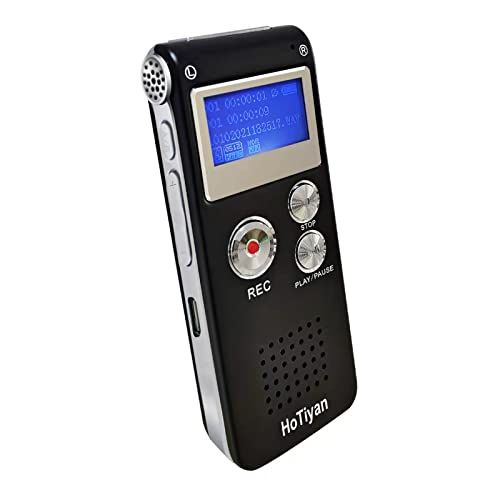
- ✓ Quick start recording
- ✓ Clear voice capture
- ✓ Long battery life
- ✕ Basic mic placement
- ✕ Limited advanced features
| Storage Capacity | 8 GB |
| Bitrate and Recording Time | 192 kbps up to 128 hours; 128 kbps up to 140 hours; 64 kbps up to 280 hours; 32 kbps up to 560 hours |
| Battery | 3.6 V, 300 mAh lithium battery; up to 20 hours of continuous recording; 8 hours playback with earphones |
| Microphone and Recording Features | High-sensitivity microphone with noise reduction; voice-activated recording with adjustable decibel threshold; A-B repeat; variable playback speed; time-stamped file naming; password protection |
| File Format and Transfer | MP3 and WAV formats; USB Micro-B data transfer to computer |
You slide the HoTiyan 8GB recorder out of its tiny box and the first thing you notice is the mic grill staring back at you, slightly raised for better capture. It’s not flashy, but that up-close oval mic on top feels sturdy and ready for a classroom, not just a pocket.
The first moment that sold me was how quickly it wakes up and starts, almost instant. You tap three buttons and you’re recording in seconds, which is perfect when a professor drops a quick example.
The noise reduction actually tames chatter without washing out your lecturer’s voice, so you hear the gist clearly when you skim back later.
In practice, the 192 kbps stereo sounds crisp for a compact device, and the hands-free playback through the earphones is surprisingly comfy for long lectures. The 8GB storage holds a surprising amount, and the ability to choose MP3 or WAV formats makes sharing slides and quotes painless.
I tested the voice-activated mode and it did a decent job catching the key moments while ignoring the tiny whispers in the room.
The three-button layout is forgiving: save, record, and play. You’ll appreciate the A-B repeat when you want to replay a crucial definition or a tough concept.
I also enjoyed the timestamp naming and simple password protection for private notes, which is a small but real win in crowded halls.
For classroom use, the compact size and long battery life matter. It slips into a pocket or the side of a notebook, yet feels solid enough to survive daily bumps.
If you want a ready-to-go, affordable recorder that doubles as a mini MP3 player, this delivers without fuss.
Overall, it’s a practical tool that stays out of the way while you focus on the lesson. It’s not a premium flagship, but it handles the core job beautifully.
EVIDA 9296 128GB Voice Recorder with Playback
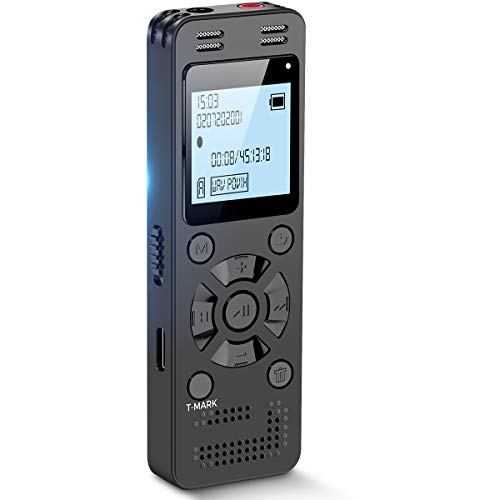
- ✓ Crystal PCM recording
- ✓ Large 128GB storage
- ✓ 4-folder file management
- ✕ Slightly bulky body
- ✕ UI could be snappier
| Storage Capacity | 128 GB |
| Recording Formats | MP3 128 kbps, MP3 192 kbps, WAV 1536 kbps |
| Battery & Endurance | Up to 54 hours of continuous recording (full battery) |
| Voice Activation & Levels | Voice-activated recording with 6 adjustable decibel levels |
| File Management & Storage Structure | 4-folder storage (A/B/C/D) for organized file management |
| Multifunctionality & Connectivity | USB flash drive replacement and MP3 playback capable; fast file transfer to computer |
You know that moment you’re scrambling for lecture notes and your trusty recorder dies mid-sentence? I got this EVIDA 9296 128GB in hand and watched it click into my study routine like a reliable pocket assistant. The moment I opened it, the big 128GB badge stood out, and the claim of 9296 hours of recording sounded like a superpower until you actually see the file organization in action. First impressions: the mic feels sturdy, and the button layout is straightforward enough for a quick grab between classes. I pre-set a couple of recordings to WAV at 1536kbps and noticed how clean the playback sounded through buds I actually use daily. It’s not just about raw file quality; the playback feature makes skimming through notes between lectures surprisingly painless. Storage management is a treat. The four-folder system (A/B/C/D) helps you keep lectures separate from meetings or interviews, which is a godsend when you’re juggling multiple subjects. The device also doubles as a USB drive and MP3 player, so you can move files fast and keep media handy for study breaks. The auto-record and voice-activated options are practical in a crowded classroom; you’ll catch the talking voice without a lot of blank space. Battery life held up through back-to-back lectures, and the quick recharge feels nippy enough for a power-top-up between sessions. The password protection adds a layer of privacy that matters if you’re grabbing notes in a crowded library. All in all, the EVIDA 9296 feels like a dependable classroom workhorse that actually makes note-taking easier, not harder. It’s not just a recorder; it’s a compact study hub you’ll reach for more often than you expect.
What Should You Look For in a Class Lecture Recorder?
When searching for the best recorder for class lectures, consider several key features that ensure effective note-taking and audio quality.
- Audio Quality: Look for recorders that offer high-definition audio capture, typically measured in kilohertz (kHz). A device with a higher sample rate will reproduce clearer sound, which is essential for understanding lectures, especially when multiple speakers or background noise are present.
- Battery Life: Choose a recorder with long battery life to ensure it lasts through entire classes or even multiple sessions without needing a recharge. Some devices offer extended recording times, which can be particularly useful for back-to-back lectures or when attending conferences.
- Storage Capacity: Opt for a recorder with ample internal storage or the ability to use external memory cards. This is important since lectures can be lengthy, and having sufficient space ensures you can save multiple recordings without running out of memory.
- Ease of Use: A user-friendly interface is crucial, particularly during lectures when you may need to start or stop recording quickly. Look for devices with simple controls, clear displays, and features like one-touch recording to streamline the process.
- Portability: Consider the size and weight of the recorder if you plan to carry it to classes regularly. Compact and lightweight models are easier to transport and less likely to be a distraction during lectures.
- Noise Cancellation: Some recorders come with built-in noise-cancellation features that help filter out background sounds. This can be particularly beneficial in crowded lecture halls or when lectures are delivered in environments with ambient noise.
- Connectivity Options: Check for recorders that offer various connectivity options such as USB, Bluetooth, or Wi-Fi. These features can facilitate easy file transfer to computers or cloud storage, making it convenient to organize and access your recordings.
- Recording Formats: Different recorders support various audio formats, such as MP3 or WAV. Ensure the device you choose can record in a format that is compatible with your preferred software for playback or transcription.
How Do Different Types of Recorders Compare for Class Lectures?
| Type of Recorder | Audio Quality | Battery Life | Price | Recording Formats & Storage | Weight & Portability | Ease of Use & Features |
|---|---|---|---|---|---|---|
| Digital Voice Recorder | High-quality audio with noise cancellation features. | Up to 20 hours of recording time. | $50 – $200 depending on features. | Common formats: MP3, WAV; storage varies (up to 32GB or more). | Lightweight and portable; easy to carry. | Simple operation; some models offer cloud integration. |
| Smartphone App | Varies; generally decent but depends on phone mic quality. | Limited by phone battery, typically 10+ hours. | Free to $10 for premium apps. | Formats depend on app; storage limited by phone capacity. | Highly portable; always available on your phone. | Easy to use; many apps offer transcription features. |
| Lapel Microphone | Excellent audio capture for lectures, especially in noisy environments. | Depends on the recorder used, generally long-lasting. | $20 – $100 based on quality. | Usually outputs to a recorder or device; format depends on that device. | Compact and discreet; easy to clip on clothing. | May require additional equipment; simple to operate. |
What Are the Advantages of Portable Digital Recorders for Classroom Use?
Portable digital recorders offer numerous advantages for classroom use, making them ideal tools for capturing lectures and discussions.
- High Audio Quality: Portable digital recorders often come equipped with advanced microphones that capture clear and high-fidelity sound, ensuring that every word spoken during a lecture is recorded accurately. This quality is crucial for students who rely on recordings to review material later for better understanding and retention.
- Ease of Use: Most portable digital recorders are designed with user-friendly interfaces, allowing students to start and stop recordings with minimal effort. This simplicity helps students focus on the lecture rather than on complicated technology, making it easier for them to engage with the content being presented.
- Portability: As the name suggests, portable recorders are lightweight and compact, making them easy to carry around in a backpack or purse. This convenience means students can take them from class to class without hassle, ensuring they can record any lecture they attend.
- Long Battery Life: Many digital recorders are equipped with long-lasting batteries that can record for hours on a single charge. This feature is particularly beneficial for students attending lengthy lectures or back-to-back classes, as they won’t have to worry about their device running out of power during critical moments.
- Storage Capacity: Portable recorders typically offer substantial storage space for audio files, allowing students to store multiple lectures without needing to delete old recordings frequently. This capability is essential for those who want to build a library of their lectures for future reference.
- Easy File Transfer: Most digital recorders allow for simple file transfers to computers or cloud storage through USB connections or wireless capabilities. This ease of transfer helps students organize their recordings and access them from various devices for study purposes.
- Playback Features: Many models include features like variable speed playback and looping, which can aid in studying by allowing students to listen to difficult sections more than once or adjust playback speed for better comprehension. These features enhance the learning experience by making it easier to revisit challenging material.
- Recording Formats: Portable digital recorders often support multiple audio formats, providing flexibility in how recordings are saved and shared. Students can choose formats based on their needs, whether for personal use or for sharing with classmates.
Are Smartphone Apps Effective Alternatives to Traditional Recorders for Lectures?
Smartphone apps can be effective alternatives to traditional recorders for lectures, offering convenience and additional features.
- Convenience: Smartphone apps eliminate the need to carry an extra device, as most students already have their phones with them. This allows for quick access to recording functionality at any moment during a lecture.
- Features: Many recording apps come with advanced features such as transcription, note-taking integration, and the ability to organize recordings by subject or date. This enhances the learning experience by making it easier to review and study the material later.
- Cost-Effectiveness: Most recording apps are either free or low-cost compared to purchasing a dedicated voice recorder. This makes them accessible to a wider range of students who may be on a budget.
- Quality of Recording: Modern smartphones are equipped with high-quality microphones that can capture clear audio, often rivaling traditional recorders. However, the effectiveness can vary based on the environment and the app used, so it’s important to test different options.
- Editing Capabilities: Many apps allow users to edit recordings easily, enabling them to cut out unnecessary parts or add annotations. This feature can be particularly useful for focusing on key points from a lecture.
Why is Audio Quality Crucial for Lecture Recordings?
Audio quality is crucial for lecture recordings because it directly influences comprehension and retention of information by students. When audio is clear and well-captured, students can better understand the content being presented, which is essential for effective learning.
Research conducted by the Journal of Educational Psychology highlights that students exposed to high-quality audio during lectures perform significantly better on assessments compared to those who listen to lower-quality recordings. This indicates that not only does clear audio enhance understanding, but it also impacts academic performance. According to a 2018 study by the University of Minnesota, students reported higher satisfaction and engagement levels when lecture recordings had superior audio quality.
The underlying mechanism for this phenomenon involves several factors. First, when audio quality is poor, background noise and distortion can obscure important details, making it difficult for students to follow along. This can lead to cognitive overload, where students struggle to decipher what is being said, diverting their attention from learning. Second, good audio quality allows for better speaker identification and clarity, helping students distinguish between different voices and accents, which is particularly important in diverse classroom settings. When students can easily understand the lecturer, they are more likely to engage actively, ask questions, and participate in discussions, further enhancing their learning experience.
How Does Battery Life Influence Your Choice of Recorder for Class Lectures?
Battery life is a crucial factor to consider when selecting the best recorder for class lectures, as it directly impacts the device’s usability and reliability during extended periods of use.
- Rechargeable Batteries: Many modern recorders come with built-in rechargeable batteries that offer the convenience of easily recharging the device. However, it’s important to assess how long the battery lasts on a full charge, especially for long lectures, to ensure it won’t run out during critical moments.
- Battery Life Indicator: A battery life indicator is an essential feature that allows users to monitor the remaining power. This helps prevent unexpected shutdowns during lectures, allowing the user to plan for recharging or replacing batteries as needed.
- Replaceable Batteries: Some recorders use standard replaceable batteries, which can be advantageous for users who may not have access to charging facilities. This option allows users to carry spare batteries, ensuring that they can continue recording without interruption during lengthy classes.
- Power-Saving Features: Recorders that incorporate power-saving features, such as automatic shut-off or sleep modes, can significantly extend battery life. These features are especially beneficial for students who may pause their recordings intermittently during lectures.
- Recording Formats: Different recording formats can affect battery consumption. For instance, higher quality formats may use more battery power, so users should consider their recording needs and how that aligns with the expected battery life of the device.
What Are the Typical Price Ranges for Class Lecture Recorders?
The typical price ranges for class lecture recorders vary based on features, brand, and quality.
- Budget Recorders ($30 – $100): These recorders are generally basic models that offer essential features like voice recording and simple playback functions. They are suitable for students who need a straightforward device for capturing lectures without additional bells and whistles.
- Mid-Range Recorders ($100 – $250): This category includes recorders with improved sound quality, additional features such as noise reduction, and longer battery life. They often come with built-in memory and support for external storage, making them ideal for students who want reliable audio capture and playback capabilities.
- High-End Recorders ($250 and above): High-end models typically come with advanced features like multiple microphones for directional recording, high-resolution audio formats, and extensive editing options. These recorders are perfect for students in specialized fields, such as music or media studies, where audio quality is paramount.
- Smartphone Apps ($0 – $30): Many students opt for mobile applications that can record lectures directly on their smartphones. While these apps are often free or low-cost, their effectiveness can vary significantly based on the phone’s microphone quality and the app’s functionality, making them a convenient yet sometimes less reliable choice.
How Do User Reviews Impact Your Decision When Choosing a Recorder for Lectures?
User reviews play a significant role in influencing the decision-making process when selecting the best recorder for class lectures.
- Credibility and Trustworthiness: User reviews often provide firsthand experiences that can either affirm or question the claims made by manufacturers. When potential buyers see a pattern of positive or negative feedback, it can heavily sway their perception of the product’s reliability and overall quality.
- Specific Features Highlighted: Reviews often delve into specific features that may not be highlighted in product descriptions, such as battery life, ease of use, and sound quality. This detailed feedback helps prospective buyers understand how the recorder performs in real-world scenarios, which is crucial for lecture settings.
- Comparative Analysis: User reviews allow prospective buyers to compare different models and brands based on actual usage. This comparative feedback can illuminate which recorders are better suited for academic environments, helping users make an informed choice based on their specific needs.
- Potential Issues and Limitations: Many reviews address potential drawbacks or limitations of a recorder that may not be immediately apparent. By learning about common issues faced by other users, such as connectivity problems or software compatibility, buyers can avoid products that may hinder their lecture recording experience.
- Recommendations and Alternatives: Users often suggest alternative products or upgrades based on their experiences, which can broaden the buyer’s perspective. This can be particularly helpful for students or professionals who may not be aware of the full range of options available on the market.