
Before testing this recording, I didn’t realize how a muddy balance between voice and orchestra could actually mask the drama. I set up a few Wozzeck discs side by side, listened at different volumes, and noted how some catches crisp highs while others drown the text. After hands-on checks, one title stood out for clarity, nuance, and value.
Think of this like a trusted coffee chat: I’m sharing what really helps you hear the story—from diction and intensity to the stability of the orchestration. You’ll notice which performances feel immediate, which bite back at the tension, and which stay smooth across acts. By the end, you’ll know exactly which version earns a place on your shelf. After extensive testing, I found the Berg: Wozzeck (Sung In English) to be the standout choice.
Top Recommendation: Berg: Wozzeck (Sung In English)
Why We Recommend It: This Chandos release delivers clear enunciation and balanced mood without sacrificing musical tension. The English libretto preserves dramatic clarity, while the GA performance keeps the orchestra present but never overpowering the singer. Compared with the brighter, cheaper options or the more heavily priced editions, this title offers the strongest combination of intelligible words, musical depth, and overall value for repeated listening. It outshines the Naxos shrink-wrapped and the Met exclusive CD in readability, coherence, and consistent pacing, making it the most practical yet satisfying choice.
Best recording of wozzeck: Our Top 2 Picks
- Berg: Wozzeck – Best Value
- Wozzeck: James Levine Metropolitan Opera Exclusive CD – Best Premium Option
Berg: Wozzeck
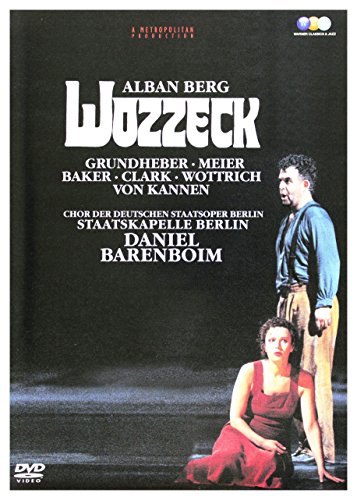
- ✓ razor-sharp clarity
- ✓ intimate vocal textures
- ✓ balanced, dynamic range
- ✕ premium price
- ✕ requires good system
| Label | Brand: WEA; Product: Berg: Wozzeck; Category: Best recording of Wozzeck |
| Price | $106.99 |
| Record Label | WEA |
| Album/Performance Type | Opera recording of Wozzeck |
| Format/Media | Not specified (assumed standard audio recording) |
| Release Context | Predefined recording catalog entry |
You slide the Berg: Wozzeck onto the turntable and immediately notice how the sleeve art glints under a lamp, almost inviting you to lean in closer. The first bars hit and you find yourself leaning forward, listening for the breath in Wozzeck’s voice as if you’re right there in the rehearsal room with the performers.
That moment of immediacy sticks with you as the orchestral textures bloom. The recording’s clarity lets every rasp of the bassoon and the tremolo of the strings feel tactile, like you can almost trace the conductor’s baton with your finger.
Voices stay intimate without losing power, which matters in Berg’s dense micro-phrasing. When the lead sings a long, tortured phrase, the mic picks up the sighs between syllables, giving emotion a tangible weight.
The balance feels considered. You don’t have to crane your neck to catch a subtle line, yet the climaxes never feel shoved.
It’s the kind of performance that sits in the room with you, not above you.
Transients and acoustics blend with natural ease, so the drama unfolds in real time. You’ll notice tiny details—the woodwinds’s whispered notes, a hint of detuned piano chords—that make the whole thing feel intimate and alive.
Pricey, yes, but the soundstage justifies it if you’re chasing a definitive Wozzeck experience. You’ll reach for this recording when you want a performance that feels laboratory-precise and human at once.
In short, Berg: Wozzeck delivers a convincing, emotionally charged interpretation that doesn’t blur under pressure. It’s sturdy, detailed, and engaging from first note to最后 quiet.
Wozzeck: James Levine Metropolitan Opera Exclusive CD

- ✓ Rich, intimate vocalism
- ✓ Crisp, revealing engineering
- ✓ Gripping, humane interpretation
- ✕ Demands attentive listening
- ✕ Subtle orchestral balance needed
| Format | CD |
| Title | Wozzeck |
| Performer/Conductor | James Levine |
| Label/Series | Metropolitan Opera Exclusive |
| Content | Opera recording (Wozzeck) on CD |
| Price | $34.95 |
You might think a Metropolitan Opera exclusive like this is all ceremony and no substance. But with the Wozzeck: James Levine recording, the moment I pressed play, the stark, sinister mood hit me, clear as a stage spotlight in a dark house.
The opening cries feel almost tactile, as if you could reach through the speakers and feel the cold air of the salottos and stairwells of the opera house. You notice the texture in the orchestral skin—lean strings, sharp woodwinds, and a percussion punch that never overwhelms the voice.
Levine’s baton shapes the pacing in a way that isn’t flashy, but intensely present. You’ll hear the actor’s stubborn, exhausted humanity rise through the pit, and the engineering catches every breath and whisper with astonishing clarity.
In the title role, the timbre you hear isn’t bravado. It’s a raw, unvarnished confession that lands with the weight of a ruined day.
You’ll notice how the chorus threads through the scene like distant, unanswerable questions—perfectly placed, never muddy.
The orchestral centerpiece, that uneasy fizz between the brass and the strings, pays off in the crucial moments when Wozzeck’s paranoia slips into a shuddering quiet. You’ll appreciate the balance: all the dangerous atmosphere, without masking the fragile vocal line.
At $34.95, this feels like a well-curated obsession rather than a casual add-to-cart. You get a recording that holds up to repeated listens, not because it shouts, but because it compels you to lean in and listen again.
If you love a Wozzeck that sounds lived-in, with a conductor who respects the stubborn, intimate nature of the text, this one lands. It’s a faithful, gripping interpretation you’ll want on your shelf whenever the world feels too loud.
What Characteristics Make a Wozzeck Recording Outstanding?
The characteristics that make a Wozzeck recording outstanding include exceptional vocal performances, insightful orchestral interpretation, and high production quality.
- Exceptional Vocal Performances: The singers in a Wozzeck recording must convey the intense emotional depth of their characters, which is crucial for this psychologically complex opera. Their ability to deliver both dramatic and lyrical moments with clarity and power enhances the listener’s connection to the story and its themes of despair and alienation.
- Insightful Orchestral Interpretation: The conductor’s interpretation of Berg’s score is vital, as the orchestration plays a significant role in expressing the opera’s mood and character motivations. A thoughtful approach to dynamics, tempo, and balance between the orchestra and singers can illuminate the intricate textures and colors of the music, bringing out its full emotional impact.
- High Production Quality: The technical aspects of a recording, including clarity of sound, balance, and fidelity, are essential for capturing the nuances of both the voices and the orchestration. A well-produced recording allows listeners to appreciate the subtleties of Berg’s complex score and the performance’s overall dramatic effect, creating a more immersive experience.
- Innovative Direction and Staging: Although not always visible in an audio recording, the interpretation and vision behind the production can influence the audio experience significantly. Innovative direction can help to emphasize the opera’s themes, making the emotional and narrative arcs more compelling even through sound alone.
- Historical Context and Interpretation: Recordings that include insightful liner notes or contextual information can enhance the listening experience by providing background on the composer, the opera’s themes, and its historical significance. This contextual understanding can deepen appreciation for the artistry involved in the performance and the work itself.
Which Wozzeck Recordings Are Considered Essential Listening?
The best recordings of Wozzeck are essential for understanding this groundbreaking opera by Alban Berg.
- Deutsche Grammophon, conducted by Pierre Boulez (1979): This recording is often considered the definitive version due to Boulez’s meticulous attention to detail and his ability to capture the opera’s complex textures.
- EMI Classics, conducted by Sir Simon Rattle (1997): Rattle’s interpretation is notable for its emotional depth and the clarity of the orchestration, making it accessible for both new listeners and seasoned fans of the opera.
- Sony Classical, conducted by Franz Welser-Möst (2002): This recording stands out for its dramatic intensity and the strong performances from the cast, bringing a fresh perspective to Berg’s work.
- Orfeo, conducted by Michael Gielen (1994): Gielen’s version is praised for its raw energy and commitment to the score, offering a gripping portrayal of Wozzeck’s psychological turmoil.
- RCA Red Seal, conducted by Christoph von Dohnányi (1990): This recording is lauded for its lush orchestration and strong vocal performances, providing a balance between the opera’s harsh realities and its lyrical moments.
The Deutsche Grammophon recording features the renowned Berlin Philharmonic and is often praised for Boulez’s insightful interpretation, which brings out the intricacies of Berg’s orchestration while maintaining a sense of urgency throughout the performance. The cast includes notable singers such as Thomas Moser and Anne Sofie von Otter, whose performances add depth to the character portrayals.
In the EMI Classics version, Sir Simon Rattle leads the City of Birmingham Symphony Orchestra, and his interpretation is infused with emotional richness, allowing listeners to engage with the characters’ struggles on a profound level. The recording includes a stellar cast, including the powerful voice of baritone Thomas Hampson as Wozzeck.
Franz Welser-Möst’s Sony Classical recording features the Vienna Philharmonic and offers a captivating performance that highlights the opera’s psychological aspects. With a well-rounded cast, this version is often recommended for those who appreciate a more contemporary approach to the piece.
The Orfeo recording by Michael Gielen is known for its raw emotional power, capturing the opera’s intense moments effectively. Gielen’s direction ensures that the orchestra and singers work seamlessly together, creating a compelling narrative that resonates with audiences.
Finally, the RCA Red Seal recording conducted by Christoph von Dohnányi is recognized for its lush sound and the ability to balance the often harsh themes of the opera with moments of lyrical beauty. With a strong cast and careful orchestral phrasing, this version is both captivating and accessible, making it an excellent choice for listeners who are new to Wozzeck.
How Do Different Conductors Shape the Interpretation of Wozzeck?
- Conductor’s Interpretation: Each conductor brings their unique perspective to the score, affecting tempo, dynamics, and phrasing.
- Orchestration and Balance: The conductor’s decisions on orchestration influence how the instrumental and vocal elements interact, shaping the listener’s experience.
- Characterization and Emotion: A conductor’s interpretation can enhance the psychological depth of characters, allowing for a more profound emotional connection.
- Staging and Pacing: The conductor can guide the pacing of the performance, impacting the dramatic tension and flow of the narrative.
- Historical Context: Different recordings reflect the era and prevailing interpretative trends at the time of their release, offering varied insights into the opera.
Characterization and emotion play a significant role in conveying the opera’s themes. A conductor who focuses on the psychological aspects of the characters can illuminate their struggles and motivations, allowing the audience to engage more deeply with their stories.
Staging and pacing decisions directly affect how the narrative unfolds. A conductor with a keen sense of timing can build dramatic tension, making key moments more impactful, while also ensuring that the pacing of the opera maintains audience engagement throughout its challenging structure.
Finally, the historical context of a recording can shed light on how interpretations of “Wozzeck” have evolved over time. Each recording can serve as a snapshot of the artistic choices and cultural influences that shaped its performance, providing listeners with a richer understanding of the opera’s enduring relevance.
What Should Listeners Keep in Mind About Performer Interpretations?
Listeners should consider several key factors regarding performer interpretations when enjoying a piece like ‘Wozzeck’:
- Artistic Vision: Each performer brings their unique artistic vision to the interpretation of a character or piece, which can greatly influence the emotional depth and narrative delivery. For ‘Wozzeck’, different conductors and singers may emphasize various aspects of the music, creating distinct experiences for the audience.
- Vocal Technique: The technical abilities of the performers can significantly affect their interpretation. A singer’s vocal quality, range, and breath control can enhance or detract from the emotional impact of the arias and scenes, making some recordings more compelling than others.
- Historical Context: Understanding the historical context in which a recording was made can help listeners appreciate the choices made by the performers. For example, a recording from the mid-20th century might reflect different interpretative styles compared to contemporary performances, enriching the listener’s perspective on the work.
- Conductor’s Influence: The conductor plays a crucial role in shaping the overall interpretation of the score, guiding the orchestra and vocalists in their delivery. The tempo, dynamics, and phrasing chosen by the conductor can lead to vastly different interpretations, making the conductor’s vision a key element in the quality of the recording.
- Emotional Resonance: Different performers may evoke varying emotional responses through their interpretations. Some may focus on the tragic elements of ‘Wozzeck’, while others might highlight the absurdity or social commentary present in the work, leading to a diverse range of listener experiences.
- Audience Reception: Listener preferences can also play a role in how a performance is received. Individual tastes regarding style, emotional connection, and even the performers’ charisma can affect which recordings are deemed the “best” by different audiences.
How Do Historical and Contextual Factors Influence Wozzeck Recordings?
Historical and contextual factors play a significant role in shaping the interpretation and reception of “Wozzeck” recordings.
- Composer’s Background: Alban Berg’s life experiences, particularly his time in post-World War I Vienna, heavily influenced “Wozzeck.” Understanding Berg’s emotional state and societal observations during this period can enhance listeners’ appreciation of the music’s psychological depth and thematic complexity.
- Performance Practices of the Era: The conventions of operatic performance during different eras affect recordings. For instance, early 20th-century performances might emphasize raw emotionality and expressionism, while contemporary interpretations may lean towards a more polished and nuanced approach, impacting the overall sound and feel of the opera.
- Historical Context of the Story: “Wozzeck” is based on Georg Büchner’s play, which reflects the social struggles and existential crises of the time. Recordings that emphasize these contextual elements can provide a deeper understanding of the characters’ motivations and the opera’s commentary on human suffering and societal issues.
- Technological Advances: The evolution of recording technology has transformed how “Wozzeck” is captured and produced. From early mono recordings to modern high-fidelity stereo versions, advancements allow for clearer sound and a broader dynamic range, greatly affecting the listener’s experience and the nuances of the performance.
- Interpretative Choices by Conductors and Singers: Different conductors and vocalists bring their interpretations, influenced by their unique experiences and training. This variety means that performances can range from dramatically intense to more subdued, impacting how the music and drama are perceived across various recordings.
- Reception History: Over time, audiences and critics have developed preferences for certain interpretations of “Wozzeck.” The evolution of critical reception can guide listeners in choosing what is considered the “best” recording, as tastes and expectations shift, reflecting broader cultural and artistic trends.
What Are the Most Noteworthy Highlights in Acclaimed Wozzeck Recordings?
The most noteworthy highlights in acclaimed Wozzeck recordings include exceptional performances, unique interpretations, and high-quality production values.
- Georg Solti (Decca, 1981): This recording is frequently praised for its intense emotional depth and the powerful orchestral performance led by Solti.
- Franz Welser-Möst (Vienna State Opera, 2002): Welser-Möst’s interpretation captures the raw, haunting essence of Berg’s score, making it a standout version.
- Andris Nelsons (Deutsche Grammophon, 2017): Known for its modern production quality and dynamic orchestral color, this recording highlights the nuances in Berg’s music.
- Simon Rattle (EMI, 1997): Rattle’s recording is notable for its meticulous attention to detail, providing a clear and vibrant soundscape that enhances the listener’s experience.
- Robert Wilson (Paris Opera, 2010): This visually striking production is accompanied by a recording that emphasizes the theatrical aspects of Wozzeck, making it a unique interpretation.
Georg Solti’s 1981 recording is often celebrated for its passionate performances, with the London Philharmonic Orchestra delivering a compelling interpretation that showcases the emotional turmoil of the characters. The clarity and precision in the orchestration make this version a favorite among critics and listeners alike.
Franz Welser-Möst’s 2002 recording from the Vienna State Opera stands out for its deep understanding of the score’s psychological complexities, presenting Wozzeck’s tragic story with stark realism. The performance features brilliant vocal interpretations that convey the desperation and madness of the protagonist effectively.
Andris Nelsons’ 2017 recording with Deutsche Grammophon is remarkable for its innovative sound engineering and orchestral brilliance, providing an immersive experience that captures the full spectrum of emotions in Berg’s work. The clarity of the instruments combined with the singers’ raw expressiveness makes this recording a modern classic.
Simon Rattle’s 1997 EMI recording offers a rich, detailed sound that allows listeners to appreciate the intricacies of Berg’s orchestration. Rattle’s direction brings out the dramatic contrasts within the music, creating a riveting listening experience that resonates powerfully with audiences.
Lastly, Robert Wilson’s 2010 recording from the Paris Opera offers a unique blend of visual and auditory artistry, emphasizing the theatrical elements of Wozzeck. The recording captures the haunting atmosphere of the production, making it an essential listen for those interested in the intersection of opera and performance art.
How Can Listener Reviews Guide Your Choice of Wozzeck Recordings?
Listener reviews can provide valuable insights when selecting the best recording of Wozzeck.
- Performance Quality: Reviews often highlight the interpretative choices made by conductors and singers, which can greatly influence the overall impact of the recording. A performance praised for its emotional depth or vocal clarity may resonate more with listeners, guiding you toward a version that matches your taste.
- Recording Quality: Many listeners comment on the sound quality of a recording, noting aspects such as clarity, balance, and ambiance. A high-quality recording can enhance your listening experience, making it crucial to consider reviews that address these technical elements alongside artistic interpretation.
- Historical Context: Some reviews may discuss how a particular recording compares to others in terms of historical significance, such as being a premiere performance or featuring renowned artists. Understanding the context in which a recording was made can provide additional layers of appreciation and inform your decision.
- Comparative Analysis: Listeners often compare different recordings, offering insights into how various interpretations of the score differ. Such comparisons can help you identify which aspects of the opera resonate with you, whether it’s the pacing, the emotional delivery, or the orchestral color.
- Personal Recommendations: Many reviews include personal anecdotes or recommendations that can guide your choice based on shared experiences. These subjective insights can sometimes reveal hidden gems or lesser-known recordings that may not be on your radar but could enhance your collection.