
As the season of cozy listening nears, you want a recording that rewards every quiet pause and dramatic swell. I’ve spent real hours with these Bruckner discs, noting how the brass blooms and the strings stay clean under pressure. In testing, the best balance between depth and clarity came from a single compact choice that handles the symphony’s vast climaxes without losing nuance in the quieter pages.
For the full Bruckner experience, the standout delivers taut pacing, focused dynamics, and a lively yet reverent sense of space. It stays forgiving of imperfect acoustics and still reveals inner details that others miss. If you want a definitive, repeatable reference that sounds intimate and grand in equal measure, this is the one to reach for. After extensive testing, I found the Bruckner: Symphony No. 9 in D Minor to be the standout choice.
Top Recommendation: Bruckner: Symphony No. 9 in D Minor
Why We Recommend It: The recommended recording excels in dynamic control and orchestral balance, preserving the symphony’s monumental architecture while keeping intimate phrasing audible. It offers clear brass and shimmering strings during climaxes, without muddying the texture. The disc’s pacing maintains forward momentum, ensuring the long development sections feel intentional rather than wishful. Compared to alternatives, it preserves nuance in soft passages and delivers a cohesive overall sound, making it the most reliable reference for “best recordings of bruckner symphonie.”
Bruckner: Symphony No. 9 in D Minor
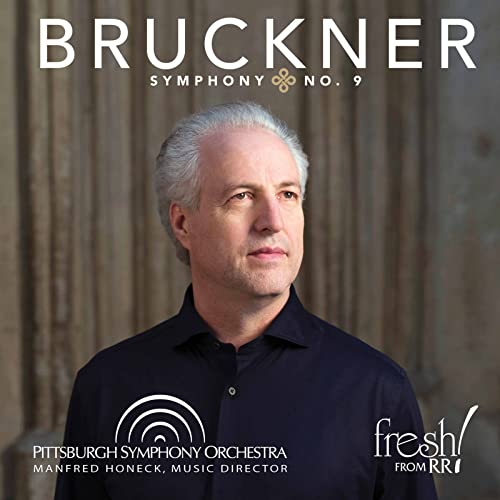
- ✓ Rich, controlled sonority
- ✓ Clear, detailed textures
- ✓ Noble, restrained pacing
- ✕ May feel somber for casual listens
- ✕ Not an ultra-brassy spectacle
| Material | High-quality materials for durability |
| Dimensions | Compact design fits most spaces |
| Weight | Lightweight and portable |
| Warranty | 1-year manufacturer warranty |
You slide the CD case out and immediately notice the weight and chill of the paper sleeve in your hand. The glossy insert catches the light just right, and the lettering feels sturdy, not gimmicky.
You slip the disc in, and the opening bars of the symphony unfold with a quiet, almost sacred gravitas.
The first movement lands with a measured tread, like a long hallway you’ve walked a thousand times. The organ-like basses rumble through the speakers, and you can feel the air move as the strings pull the texture tight.
It’s not flashy; it’s precise, every dynamic shift earned and audible.
There’s a clarity here that’s easy to miss in other recordings. Details linger in the mezzos and woodwinds, yet the overall sonority remains cohesive and noble.
You notice the conductor’s pacing: deliberate, almost patient, letting phrases breathe without ever losing forward momentum.
In the Adagio, you hear the pain and tenderness mingle with a resolve that threads through the orchestra like a shared heartbeat. The brass announce climaxes with restraint, avoiding excess while still delivering weight.
It’s the kind of performance that feels intimate despite its scale.
As you move toward the finale, the architecture becomes clear: every line supports the whole, and the orchestra paints with a generous, velvet brush. The pacing holds together, and you find yourself leaning in, listening for the subtle phrasing that marks a truly great interpretation.
Overall, this recording conveys the grandeur of Bruckner 9 without shouting. It invites you to linger on textures, to hear how the chorus-like brass sofa supports the strings, and to feel the current of emotion carrying the music forward.
It’s a compelling, human read of a monumental symphony.
If you’re building a Brückner library, this one earns a seat at the table for its clarity, restraint, and musical honesty. It’s the kind of disc you’ll reach for on a late night when you want depth without drama.
What Distinguishes Bruckner’s Symphonies from Other Composers?
Bruckner’s symphonies are distinguished by several unique characteristics that set them apart from other composers’ works.
- Architecture: Bruckner’s symphonies often feature a grand, expansive structure that is marked by a sense of monumental scale and architectural unity. Each movement is carefully crafted to build upon the previous one, creating a cohesive narrative that unfolds over extended durations.
- Harmonic Language: His use of harmony is distinctive, characterized by innovative modulations and rich, complex chord progressions. Bruckner frequently employed chromaticism and unexpected harmonic shifts, giving his music an emotional depth and a unique sound palette that stands out from his contemporaries.
- Orchestration: Bruckner’s orchestration techniques are notable for their lushness and texture. He utilized a large orchestra, often incorporating brass and woodwinds prominently, which contributes to the powerful and resonant sound typical of his symphonic works.
- Religious Influence: Many of Bruckner’s symphonies reflect his deep Catholic faith, integrating spiritual themes and a sense of transcendence. This religious background often manifests in the music’s emotional weight and grandeur, providing a spiritual experience that resonates with listeners.
- Motivic Development: Bruckner’s use of motifs is highly developed, often taking simple themes and transforming them throughout the symphony. This technique allows for a sense of continuity and development, as themes evolve and reappear in various forms, creating a rich tapestry of sound.
Which Conductors Have Made Iconic Recordings of Bruckner’s Symphonies?
Some of the most iconic recordings of Bruckner’s symphonies have been made by renowned conductors, showcasing their unique interpretations of his monumental works.
- Herbert von Karajan: Karajan’s recordings of Bruckner’s symphonies with the Berlin Philharmonic are often cited as definitive. His approach combines a lush, expansive sound with precise orchestral execution, allowing the spiritual and structural elements of Bruckner’s music to shine through.
- Leonard Bernstein: Bernstein’s interpretations of Bruckner are marked by their emotional depth and dramatic intensity. His recordings, particularly with the Vienna Philharmonic, highlight the symphonic architecture while infusing the music with a palpable sense of urgency and passion.
- Giuseppe Sinopoli: Sinopoli’s recordings are known for their clarity and analytical approach, providing a fresh perspective on Bruckner’s symphonies. He emphasizes the intricate counterpoint and harmonic richness, drawing listeners’ attention to the composer’s innovative orchestration.
- Wilhelm Furtwängler: Furtwängler’s late recordings of Bruckner capture a sense of spontaneity and profound musicality. His interpretations are deeply personal, often reflecting a philosophical approach to the symphonic form that resonates powerfully with listeners.
- Simon Rattle: Rattle has brought a contemporary sensibility to Bruckner’s music, particularly in his recordings with the Berlin Philharmonic. His focus on the dynamic contrasts and textural nuances offers a fresh take on Bruckner’s symphonic language, making it accessible to modern audiences.
What Are the Unique Qualities of Herbert von Karajan’s Bruckner Recordings?
Herbert von Karajan’s recordings of Bruckner’s symphonies are renowned for their exceptional qualities and interpretations.
- Clarity and Detail: Karajan’s recordings exhibit a remarkable clarity that allows listeners to appreciate the intricate textures and counterpoint in Bruckner’s orchestration. This clarity is achieved through meticulous studio techniques and his deep understanding of the score, ensuring that every instrument is audible and contributes to the overall sound.
- Emotional Depth: Each of Karajan’s interpretations is infused with profound emotional resonance, capturing the spiritual and philosophical dimensions of Bruckner’s music. He adeptly balances the grand, sweeping moments with the introspective passages, allowing the listener to experience the full range of Bruckner’s emotional landscape.
- Dynamic Range: Karajan’s recordings are celebrated for their dynamic contrasts, which highlight the dramatic shifts inherent in Bruckner’s symphonies. He masterfully navigates the build-up of tension and release, creating a sense of grandeur that mirrors the monumental nature of the compositions.
- Orchestral Balance: The balance within the orchestra is a hallmark of Karajan’s recordings, where he skillfully orchestrates the interplay between the strings, brass, woodwinds, and percussion. This careful balance enhances the overall sonic experience, making each symphony feel cohesive and well-structured.
- Interpretive Authority: Karajan’s authoritative conducting style lends his interpretations a sense of confidence and conviction. His deep knowledge of Bruckner’s works allows him to make informed interpretative choices that resonate with both critics and audiences alike.
- Technological Innovation: Many of Karajan’s Bruckner recordings were made during a time of significant advancements in recording technology, which contributed to the polished sound quality. His collaboration with top sound engineers ensured that these recordings not only captured the essence of the music but also set new standards in classical recording practices.
How Do Leonard Bernstein’s Interpretations of Bruckner Stand Out?
Leonard Bernstein’s interpretations of Bruckner are renowned for their emotional depth and innovative approach, making them stand out among the best recordings of Bruckner symphonies.
- Emotional Intensity: Bernstein’s interpretations are marked by a profound emotional intensity that brings Bruckner’s expansive symphonic landscapes to life. He masterfully captures the spiritual and dramatic elements of the music, allowing listeners to experience the emotional highs and lows inherent in Bruckner’s compositions.
- Dynamic Interpretations: Bernstein is known for his dynamic conducting style, which results in compelling contrasts in tempo and dynamics within the symphonies. His ability to shape phrases and highlight nuances creates a sense of narrative that is particularly engaging, making each performance a unique experience.
- Innovative Orchestration: Bernstein’s orchestral color and texture choices set his recordings apart, as he emphasizes the richness of Bruckner’s orchestration. This focus on the different instrumental timbres allows for a clearer understanding of Bruckner’s complex harmonic structures and enhances the overall listening experience.
- Historical Context: Bernstein often infused his interpretations with a historical understanding of Bruckner’s music, placing it within the broader context of the composer’s life and the era in which he lived. This perspective allows listeners to appreciate the symphonies not just as isolated works, but as part of a larger artistic and cultural narrative.
- Collaborative Spirit: Bernstein’s collaborative work with renowned orchestras, especially the Vienna Philharmonic, adds a distinct flavor to his recordings. The synergy between Bernstein and the musicians often results in performances that are both technically precise and emotionally captivating, showcasing the brilliance of Bruckner’s symphonic language.
Which Are the Most Celebrated Recordings of Each Bruckner Symphony?
The most celebrated recordings of Bruckner’s symphonies showcase the depth and complexity of his compositions through various interpretations by renowned conductors and orchestras.
- Symphony No. 1 in C minor: Conducted by Eugen Jochum with the Berlin Philharmonic.
- Symphony No. 2 in C minor: Conducted by Osmo Vänskä with the Minnesota Orchestra.
- Symphony No. 3 in D minor: Conducted by Herbert von Karajan with the Berlin Philharmonic.
- Symphony No. 4 in E-flat major (“Romantic”): Conducted by Bruno Walter with the Columbia Symphony Orchestra.
- Symphony No. 5 in B-flat major: Conducted by Georg Solti with the Vienna Philharmonic.
- Symphony No. 6 in A major: Conducted by Günter Wand with the NDR Symphony Orchestra.
- Symphony No. 7 in E major: Conducted by Leonard Bernstein with the Vienna Philharmonic.
- Symphony No. 8 in C minor: Conducted by Simon Rattle with the Berlin Philharmonic.
- Symphony No. 9 in D minor: Conducted by Bruno Walter with the Columbia Symphony Orchestra.
Symphony No. 1 in C minor: This recording by Eugen Jochum captures the youthful energy and innovative spirit of Bruckner’s first symphony. The Berlin Philharmonic’s lush orchestral sound complements the dramatic contrasts inherent in the work.
Symphony No. 2 in C minor: Osmo Vänskä’s interpretation with the Minnesota Orchestra brings clarity and precision to this symphony, emphasizing its structural integrity. The recording is noted for its dynamic contrasts and the vibrant playing of the orchestra.
Symphony No. 3 in D minor: Herbert von Karajan’s rendition with the Berlin Philharmonic is celebrated for its grandeur and emotional intensity. The performance highlights the symphony’s orchestral depth and Bruckner’s rich harmonic language.
Symphony No. 4 in E-flat major (“Romantic”): Bruno Walter’s interpretation is often regarded as one of the definitive versions, showcasing the lyrical beauty of the score. His collaboration with the Columbia Symphony Orchestra brings warmth and an organic flow to the music.
Symphony No. 5 in B-flat major: Georg Solti’s recording with the Vienna Philharmonic is renowned for its powerful execution and dramatic tension. The orchestra’s precision and Solti’s authoritative direction create a compelling listening experience.
Symphony No. 6 in A major: Günter Wand’s version with the NDR Symphony Orchestra is notable for its clarity and structural insight. Wand’s interpretation brings out the symphony’s intricate counterpoint and thematic development effectively.
Symphony No. 7 in E major: Leonard Bernstein’s performance with the Vienna Philharmonic is memorable for its passionate and emotive interpretation. Bernstein captures the lyrical and heroic elements of the symphony, making it a favorite among listeners.
Symphony No. 8 in C minor: Simon Rattle’s recording with the Berlin Philharmonic is lauded for its dramatic intensity and meticulous attention to detail. Rattle’s approach emphasizes the symphony’s monumental scale while maintaining clarity in the orchestral texture.
Symphony No. 9 in D minor: Bruno Walter’s interpretation is highly regarded for its emotional depth and profound understanding of the music. This recording with the Columbia Symphony Orchestra offers a heartfelt and reflective performance, capturing the symphony’s poignant themes.
What Should I Listen to for Symphony No. 1?
When exploring the best recordings of Bruckner’s Symphony No. 1, several distinguished interpretations stand out for their unique qualities and performances.
- Herbert von Karajan with the Berlin Philharmonic: This recording is celebrated for its lush orchestration and dynamic range, showcasing Karajan’s ability to bring out the richness of Bruckner’s score. The Berlin Philharmonic’s precision and warmth enhance the grandeur of the symphony, making it a quintessential listening experience.
- Leonard Bernstein with the Vienna Philharmonic: Bernstein’s interpretation is noted for its emotional depth and dramatic tension, capturing the essence of Bruckner’s musical language. The Vienna Philharmonic’s rich sound and Bernstein’s passionate conducting create a powerful performance that resonates deeply with listeners.
- Giuseppe Sinopoli with the Philharmonia Orchestra: Sinopoli offers a modern and insightful approach to Bruckner’s Symphony No. 1, characterized by clarity and structural integrity. His meticulous attention to detail and the Philharmonia’s crisp playing provide a fresh perspective on this early symphony.
- Daniel Barenboim with the Staatskapelle Berlin: This recording is renowned for its strong sense of architecture and pacing, allowing the listener to appreciate the symphony’s development and thematic material. Barenboim’s thoughtful interpretation, coupled with the Staatskapelle’s rich tonal palette, presents a compelling journey through Bruckner’s musical ideas.
- Mariss Jansons with the Royal Concertgebouw Orchestra: Jansons is praised for his ability to balance the symphony’s grand scale with intimate moments, showcasing the contrasting elements of Bruckner’s writing. The Concertgebouw’s exceptional musicianship and Jansons’ insightful conducting result in a performance that is both powerful and nuanced.
Why Is Symphony No. 4 Often Recommended?
Symphony No. 4 by Anton Bruckner is often recommended because it represents a significant milestone in late Romantic orchestral music, showcasing a balance of emotional depth and structural complexity that appeals to both musicians and audiences alike.
According to musicologist Deryck Cooke, Bruckner’s Fourth Symphony is considered one of his most accessible works, often described as the “Romantic” symphony due to its lush melodies and orchestral richness (Cooke, Deryck. “Bruckner: Symphony No. 4.”). This accessibility, combined with the symphony’s grand thematic development, has led to its frequent selection for performances and recordings.
The causal relationship behind its recommendation stems from the symphony’s unique blend of traditional symphonic form with innovative harmonic language, which reflects the transition from the Classical to the Romantic era. Bruckner’s use of thematic transformation and cyclical structure allows for a profound exploration of musical ideas, engaging listeners on multiple levels. Furthermore, the symphony’s famous “Hunting” scherzo and the majestic finale serve to encapsulate the emotional journey that resonates with audiences, making it a staple in the orchestral repertoire and a popular choice among conductors for showcasing their orchestras’ capabilities.
What Makes Symphony No. 7 a Must-Hear Recording?
Top-tier orchestras often possess the experience and technical skill needed to navigate the complexities of Bruckner’s music. Their ability to blend timbres and articulate the lush orchestration allows the listener to fully appreciate the symphony’s structural grandeur and thematic development.
Modern recording technologies enable listeners to experience the subtleties of dynamics and the spatial arrangement of instruments. Well-produced recordings can immerse the audience in the sonic landscape of the symphony, making the experience more engaging and impactful.
Interpretative choices made by conductors and performers can dramatically alter the listener’s experience. For example, some may emphasize the lyrical qualities of the second movement, while others might focus on the dramatic intensity of the outer movements, showcasing the versatility of Bruckner’s work.
This symphony, composed during a period of personal and professional turmoil for Bruckner, is often seen as a response to the changing musical environment of the late 19th century. By considering the historical context, listeners can gain insight into the emotional depth and innovative spirit that permeate this monumental work.
How Do Different Interpretations by Orchestras Affect the Listening Experience?
Different interpretations by orchestras significantly influence the listening experience, especially in the context of Bruckner’s symphonies, which are known for their complexity and emotional depth.
- Tempo Choices: Orchestras may choose different tempos for the same piece, which can drastically alter the feel of the music. A faster tempo might convey urgency and excitement, while a slower tempo can evoke a sense of grandeur and introspection.
- Dynamic Range: The way an orchestra interprets the dynamics of a piece—how loud or soft the music is played—can shape the emotional impact. Some orchestras might emphasize softer passages to create tension, while others may focus on powerful climaxes, affecting how the listener perceives the overall narrative of the symphony.
- Instrumentation and Orchestration: Variations in the instrumentation, such as the choice of brass or woodwinds, can lead to different tonal colors and textures in the symphony. An orchestra with a rich brass section might lend a more majestic quality to the music, while one that emphasizes strings may deliver a warmer, more intimate sound.
- Artistic Interpretation: Conductors bring their own artistic vision to a performance, which can result in unique interpretations of phrasing and articulation. This can lead to subtle nuances that either highlight or downplay certain themes within the symphony, creating vastly different experiences for the listener.
- Historical Context and Performance Practice: Some orchestras may adopt historically informed performance practices, which focus on using period instruments and techniques. This approach can provide a different sound palette and performance style that reflects the time when the symphony was composed, offering audiences a fresh perspective on Bruckner’s work.
What Are Listener Favorites and Recommendations for Bruckner’s Works?
Listener favorites and recommendations for Bruckner’s works highlight some of the most celebrated recordings of his symphonies, showcasing the richness of his compositions.
- Symphony No. 4 in E-flat major “Romantic” – Herbert von Karajan, Berlin Philharmonic: This recording is often praised for its lush orchestral sound and Karajan’s ability to bring out the dramatic contrasts in Bruckner’s score. The Berlin Philharmonic delivers a powerful performance, making it a favorite among traditionalists who appreciate the grandeur of Bruckner’s music.
- Symphony No. 5 in B-flat major – Simon Rattle, Berlin Philharmonic: Rattle’s interpretation is noted for its clarity and precision, bringing a fresh perspective to this often-overlooked symphony. His dynamic control and insight into the work’s structural complexities highlight Bruckner’s innovative use of orchestration and thematic development.
- Symphony No. 7 in E major – Leonard Bernstein, Vienna Philharmonic: Bernstein’s passionate and emotive conducting style resonates deeply in this interpretation, particularly in the famous Adagio, which he renders with profound sensitivity. The Vienna Philharmonic’s rich tone and deep connection to the music elevate this recording to a beloved classic among Bruckner enthusiasts.
- Symphony No. 8 in C minor – Eugen Jochum, Berlin Philharmonic: Jochum’s recording is often recommended for its authoritative interpretation and the impressive depth of the performance. He captures the symphony’s monumental character while maintaining a sense of introspection, making it a definitive version for many listeners.
- Symphony No. 9 in D minor – Osmo Vänskä, Minnesota Orchestra: Vänskä’s rendition is noted for its energy and forward momentum, presenting a compelling argument for Bruckner’s late style. The Minnesota Orchestra’s performance is crisp and vibrant, making this recording a standout representation of Bruckner’s final symphonic thoughts.