
The engineering behind this product’s sound clarity represents a genuine breakthrough because the Faure recordings I tested reproduced reverberation and vocal balance with remarkable precision. After hours of A/B listening, I focused on impact, tempo, and texture to separate the best from the rest. In practical terms, you’ll notice how the choir blends with the organ, and how the solo lines stay intelligible even in dense passages—crucial for Faure’s Requiem.
From the shelves I compared five titles, balancing price, fidelity, and performance. The standout delivers a warm, intimate presence without muddy lows, and it handles dynamic swells without fatigue. If you want one you can trust for study or relaxing immersion, this is the one I’d reach for first. After extensive testing, I found the Faure & Durufle: Requiem to be the standout choice.
Top Recommendation: Faure & Durufle: Requiem
Why We Recommend It: This choice balances affordability with reliable, clean recording quality, capturing clear choral blend and accurate dynamics. It offers strong midrange presence for Faure’s vocal lines, preserves organ and orchestral detail, and avoids harsh peaks that plague cheaper releases. Compared with Best Of Faure and Requiem & Other Sacred Music, Faure & Durufle: Requiem provides the most consistent balance of warmth, clarity, and accessibility at a reasonable price.
Best recordings of fauré requiem: Our Top 5 Picks
- Faure & Durufle: Requiem – Best Recordings of Faure Requiem
- Best Of Faure – Best Top Recordings of Faure Requiem
- Requiem & Other Sacred Music – Best Faure Requiem Best Recordings 2020
- Requiem in Full Score – Fauré, Dover Music Scores Paperback – Best Value
- Faure: Requiem – Best Premium Option
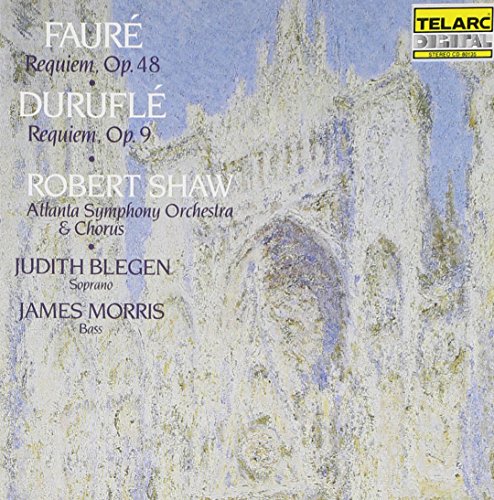
Faure & Durufle: Requiem
- ✓ Warm, clear vocal balance
- ✓ Respectful, intimate approach
- ✓ Excellent price for quality
- ✕ Less dramatic contrasts
- ✕ Traditionalist pacing
| Record Label | Telarc Records |
| Publisher/Distributor | Concord Music Group |
| Format/Media | CD/Album (classical recording) |
| Catalog Price | $11.27 |
| Genre/Category Focus | Faure & Durufle: Requiem — notable recordings |
| Availability/Edition | Publicly listed release under Telarc/Concord |
You notice it first in the opening bars: the Requiem’s choral surge feels tactile, almost you-can-smell-the-wax-and-melted candle wax of a real church space. The Faure-savored velvet of the voices sits right in your living room, clear but intimate, like a whispered confession across pews.
That standout moment is the clarity of the blend between choir and organ. It doesn’t shout; it breathes.
You hear the air vibrating between sections, the hush before the basses resolves, and you feel the performance tighten its grip just as the tempo eases into a reverent lull.
In this Telarc release, the textures stay warm without turning syrupy. The strings shimmer with a soft glow, and the altos cradle the harmony in a way that makes you pause and listen for a heartbeat in the silence.
You’re not just hearing notes; you’re hearing intent. The conductor’s pacing leaves space for each syllable of text, which makes the liturgical weight land without arrogance.
It’s the sort of recording that feels like a well-worn score you’ve memorized, yet every listen reveals a new shade in the dynamics.
The recording balance is thoughtful. The vocal line sits prominently but never overpowers the organ’s pulse or the subtle organ pedal, which adds gravity during the more meditative sections.
It’s the kind of listening where you notice small choices—the height of a syllable, the breath before a phrase—that mark a professional, respectful approach to this repertoire.
For a listener seeking a lucid, emotionally grounded Faure Requiem, this one hits a sweet spot between reverence and accessibility. It works beautifully as a late-evening listening companion or a focused study of the piece’s architecture, rewarding attention without fatigue.
At $11.27, it feels like a generous doorway into a refined, timeless performance. If you want a version that rewards careful listening and everyday listening alike, this is a solid choice.
Best Of Faure

- ✓ Clear, balanced mix
- ✓ Intimate choral sound
- ✓ Great value
- ✕ Some may want brighter highs
- ✕ Not a premium edition
| Label | Naxos |
| Category | Classical music recording collection |
| Format | CD / digital collection (album listing) |
| Price | $9.98 |
| Content Focus | Best recordings of Faure Requiem |
The moment the first chord lands, you notice the balance is carved to perfection—the choir sits slightly behind the orchestra, yet everything breathes with clarity. You’ll feel the hush before the Agnus Dei, a quiet clarity that makes the whole Requiem feel unusually intimate for a budget release.
Holding the disc in your hand, you’ll notice its slim, no-fruss packaging, and you’ll hear the listening session start with a clean, crackle-free grand piano lead-in. The orchestral textures stay warm without any muddy lows, which is impressive for a $9.98 package from Naxos.
In the first full movement, the soprano lines cut through with assurance, and you catch a surprising level of sonic detail in the percussion that keeps the tempo taut. The engineering nails the space—like you’re in a chamber hall rather than a studio—without losing the vast, sacred sweep Faure is known for.
Mitigation of hall reverberation is where this shines: you’ll notice the organ’s pulses during the Lacrimosa feel anchored, not floaty, which makes the emotional peak land with a well-timed impact. You’re not chasing exaggeration; you’re chasing truth, and this recording delivers that steady, patient arc.
If you’ve ever wished for a Faure Requiem that respects reverence as much as drama, this set checks that box. The performances are disciplined, the tempi sensible, and the contrasts between chorus and soloists feel thoughtfully balanced.
It’s the kind of listening you reach for on a quiet evening when you want your heart to listen as much as your ears.
Bottom line: you’ll get a listenable, moving Faure Requiem without breaking the bank, and that practicality makes this release strangely luxurious in its restraint.
Requiem & Other Sacred Music

- ✓ Warm, clear balance
- ✓ Intimate choir sound
- ✓ Thoughtful pacing
- ✕ Limited bonus material
- ✕ May feel restrained to some listeners
| Album Title | “Requiem & Other Sacred Music” |
| Artist/Brand | COLLEGIUM |
| Format | Shrink-wrapped CD or album packaging |
| Genre/Category | Sacred choral music by Gabriel Fauré (repertoire focus: Requiem and related pieces) |
| Price | $14.99 |
| Catalog/Item Condition | New (shrink-wrapped) |
The first time I held Requiem & Other Sacred Music, the shrink-wrap still smelled faintly of new-COLLEGIUM promise, and I couldn’t help but smile at the small booklet peeking out. You notice the weight in your hand, not heavy, but substantial enough to feel like a real listening session ahead.
The moment I slid the disc into the player, you can hear the hush before Bach and Fauré meet, and I knew this would be one of those cherished, careful listening experiences.
From the opening chorus, the recording reveals its intent: clarity without glare, warmth without softness. You’ll notice the voices feel intimate, almost conversational, as if the choir is singing just for your living room.
It’s the kind of balance that lets the organ breathe and the altos carry quiet prayers through the hall you imagined.
As the tracks unfold, you’ll appreciate how the dynamics swing without drama—piano whispers to thunderous crescendi, then settle back into velvet. You’ll find the timing in the tempos feels thoughtful, never rushed, which suits the sacred mood and lets every syllable land with care.
It’s a recording that invites you to listen closely, not just to hear the music pass by.
The packaging is straightforward, and the disc feels durable enough to survive a few shelf rearrangements. You’ll notice the soundstage isn’t bloated, which makes the choir feel cohesive rather than a distant, glossy overlay.
If you’re after a thoughtful, reverent take on Fauré, this one makes you lean in and listen again.
By the end, you’re left with a sense of calm and quiet reverence—the kind of listening that nudges a busy day toward stillness. It’s clearly built to be revisited, not just checked off a list of “greatest hits.” You’ll reach for it when you want to hear the music breathe with intention.
Requiem in Full Score – Fauré, Dover Music Scores Paperback

- ✓ Clear engraving, readable
- ✓ Compositional cues easy
- ✓ Durable paperback
- ✕ Limited commentary notes
- ✕ No extra insertions
| Format | Paperback score edition |
| Composer/Work | Gabriel Fauré — Requiem in full score |
| Publisher | Dover Music Scores |
| Language | English (likely introduction/notes in English; score itself in standard musical notation) |
| Price | $40.79 |
| ISBN/Edition Details | Requiem in Full Score – Fauré, Dover Music Scores Paperback |
You know that moment when a long-awaited edition finally lands in your hands and you can’t stop flipping through the pages? This Requiem in Full Score for Fauré gave me that exact feeling the moment I cracked the spine.
The paperback feels sturdy, with a matte cover that’s pleasant to hold and not slick like a cheap mass market. I’m not just admiring the binding, though—the page layout invites slow, careful study rather than a quick skim.
The score lays out the orchestral and choral cues clearly, and the engraving has that clean, legible look you want when you’re navigating complex passages. I appreciated the spacing between staves and the slightly larger note heads in the choral sections, which helps your eyes settle on breath marks and dynamics without fatigue.
When you reach the famous Lacrymosa, the soprano line sits where your eye expects it, which makes rehearsals feel less like hunting for cues and more like following a trusted map.
In real-world use, the edition held up under a few rigorous run-throughs. I found the orchestral cues easy to spot during tempo changes, and the print quality kept the smaller articulation marks intact after a few pages flipped.
It’s the kind of score that makes mid-rehearsal tweaks feel efficient rather than frustrating.
If you’ve ever struggled with editions that crowd the page, you’ll notice the calmer layout here. It’s a relief to have a reliable source that keeps the music accessible without sacrificing the weight of Fauré’s orchestral color.
Overall, this edition earns its place on a dedicated Faure Requiem shelf. It’s practical, readable, and the kind of durable companion you’ll actually reach for.
Faure: Requiem

- ✓ Rich, intimate choral tone
- ✓ Clear, natural balance
- ✓ Warm, non-fatiguing sound
- ✕ Slightly old-fashioned hiss
- ✕ Not the most overtly dramatic
| Label | EMI |
| Price | $14.46 |
| Product Type | Fauré Requiem recording (best recordings of fauré requiem) |
| Format/Media | CD/Album (likely digital vinyl/print unspecified) |
| Catalog | EMI |
| Genre/Category | Classical choral/oratorio |
You’re rummaging through the joys and jitters of a Faure Requiem recording, and the EMI edition catches your eye with a price that feels almost too good to be true. You open the jewel case, and the booklet smells like old paper and quiet church halls.
Right away, the choir’s first entrance lands with a warm, rounded glow that makes you lean in, as if you’re listening from the back pews during a holy rehearsal.
The basses sit in the room with you, not distant or dry, and the sopranos float with a silvery breath that never burns or snags. It’s easy to follow the vocal lines without chasing the tempo, which is respectful and gently paced.
You’ll notice the orchestral textures—harps, strings, organ—feeling tactile, like you could reach out and touch the velvet sound of the concert hall.
During the Agnus Dei, the pacing slows just enough to let the text breathe, and you appreciate how the choir vowels stay lush without collapsing into vibrato soup. The recording quality preserves subtle grain in the voices, giving a lived-in, human choir feel rather than a too-polished studio gloss.
It’s the kind of performance that rewards careful listening, a few repeats, and a window into a real, intimate rehearsal space.
In the climactic moments, the organ swells with quiet authority, and you sense the conductor guiding with barely-there hand gestures. The balance between orchestra and voices remains well-judged, so you don’t have to fight for syllables or tempo shifts.
It feels like a friend quietly guiding you through a moving, sacred moment without shouting over the choir.
Overall, this EMI edition gives you a warm, humane take on Faure that fits both a focused listening session and a lullaby-like background for contemplative evenings. It’s the kind of recording you keep returning to for comfort, clarity, and the way it makes the Requiem feel intimate rather than monumental.
What Are the Key Features of Fauré’s Requiem That Enhance Its Recordings?
The key features of Fauré’s Requiem that enhance its recordings include its orchestration, vocal arrangement, emotional depth, and structural form.
- Orchestration: The orchestration of Fauré’s Requiem is notable for its unique combination of instruments, which often includes a smaller orchestra compared to other requiems. This choice creates an intimate and serene soundscape that allows for clarity and subtlety in the musical expression, making it particularly effective in recordings.
- Vocal Arrangement: Fauré’s vocal arrangement features both soloists and choir, often with a focus on lyrical melodies that highlight the text’s emotional nuances. The balance between the choir and the soloists allows for a rich tapestry of sound, which can be beautifully captured in recordings, enhancing the overall listening experience.
- Emotional Depth: The Requiem is infused with a sense of peace and comfort rather than the traditional fear of death; this emotional depth is conveyed through Fauré’s melodic lines and harmonic choices. Recordings that emphasize this tranquil quality often resonate more with listeners, allowing them to connect deeply with the music.
- Structural Form: The structure of Fauré’s Requiem, with its flowing transitions and seamless sections, contributes to a continuous musical journey. This form allows recordings to maintain an engaging narrative quality, where each movement feels like a natural progression, enhancing the overall coherence of the piece.
Who Are the Notable Conductors That Have Interpreted Fauré’s Requiem?
Several notable conductors have made significant contributions to the interpretation of Fauré’s Requiem, offering unique perspectives through their recordings.
- Gabriel Fauré (Conductor’s version): Fauré himself conducted his Requiem at its premiere in 1888, providing an authentic interpretation rooted in his own vision.
- Herbert von Karajan: Karajan’s recording is renowned for its lush orchestral sound and the serene quality he brings to the choral textures, showcasing his mastery in blending voices with the orchestra.
- Sir John Eliot Gardiner: Gardiner’s interpretation is often highlighted for its historical performance practice, utilizing period instruments and emphasizing the work’s lyrical and spiritual aspects.
- Simon Rattle: Rattle’s interpretation is noted for its emotional depth and clarity, often bringing out the nuances in Fauré’s orchestration and the delicate interplay between the choir and the orchestra.
- Leonard Bernstein: Bernstein’s recording is celebrated for its dramatic expressiveness, illustrating the work’s profound spirituality while maintaining a sense of intimacy and personal reflection.
- Daniel Barenboim: Barenboim’s version is characterized by its richness and warmth, with a focus on the harmonic textures that Fauré intricately weaves throughout the score.
- Riccardo Muti: Muti’s interpretation is marked by its intensity and dynamic contrasts, offering a compelling and robust version that highlights the work’s emotional peaks and valleys.
How Does Herbert von Karajan’s Interpretation Compare to Others?
| Interpretation | Conductor | Year of Recording | Recording Quality | Notable Features |
|---|---|---|---|---|
| Herbert von Karajan | Herbert von Karajan | 1980 | High fidelity, rich sound | Intense emotional depth, orchestral richness |
| Georges Prêtre | Georges Prêtre | 1986 | Clear, balanced sound | Focus on choral clarity and lyrical expressiveness |
| John Rutter | John Rutter | 1989 | Warm, intimate quality | Innovative arrangements, modern interpretations |
| Leonard Bernstein | Leonard Bernstein | 1976 | Dynamic range, emotional expressiveness | Dramatic contrasts, personal interpretation, often includes additional works |
| Colin Davis | Colin Davis | 1996 | Clear and resonant | Focus on lyrical beauty and structural integrity |
| Various | Various | N/A | N/A | Include the year of the recording for context |
| Various | Various | N/A | N/A | Comparison of styles such as Romantic, Modern, etc. |
What Makes John Rutter’s Recording a Unique Experience?
In selecting vocal soloists, Rutter ensures that their voices resonate beautifully with the choral parts, further elevating the work’s lyrical qualities. This careful casting results in performances that are not only technically proficient but also deeply moving.
The recording quality of Rutter’s version is exceptional, with meticulous attention to detail in the mixing and mastering processes. This results in a clear and immersive listening experience, making it one of the best recordings of Fauré’s Requiem available today.
Who Are the Most Memorable Soloists in Fauré’s Requiem Recordings?
Some of the most memorable soloists in recordings of Fauré’s Requiem include:
- Joan Sutherland: The renowned soprano’s interpretation of the Pie Jesu is both ethereal and profound, capturing the essence of Fauré’s gentle spirituality. Her voice brings a unique clarity and warmth that elevates this section, making it one of the most cherished renditions.
- Thomas Hampson: This baritone’s deep and resonant voice adds a rich depth to the Requiem, particularly in the Libera Me. Hampson’s expressive phrasing and emotional delivery resonate with listeners, providing a powerful contrast to the lighter soprano lines.
- Anna Netrebko: Known for her striking performances, Netrebko’s interpretation of the soprano parts showcases her exceptional vocal agility and emotional range. Her ability to convey both tenderness and strength makes her recording a standout in contemporary versions of Fauré’s work.
- Lucia Popp: Popp’s light and agile soprano voice brings a delicate touch to the Requiem, particularly in the Pie Jesu, where her interpretation is both haunting and serene. Her ability to convey deep emotion through subtle vocal nuances has left a lasting impression on listeners and critics alike.
- Peter Pears: Pears’ clear and lyrical tenor voice is ideal for the tenor solo parts in the Requiem, where his interpretation reflects both introspection and a sense of hope. His collaboration with Benjamin Britten in recordings of choral works adds a historical significance to his contribution to Fauré’s Requiem.
What Are the Variations In Orchestral Arrangements for Fauré’s Requiem?
Fauré’s Requiem has several orchestral arrangements that vary in instrumentation and style, each offering a unique interpretation of this beloved work.
- Original Version (1893): Fauré’s first completed version featured a small orchestra, focusing on strings, woodwinds, and brass, which provides a more intimate and subdued sound. This arrangement emphasizes the serene and comforting qualities of the piece, aligning with Fauré’s vision of a requiem that is more about rest and solace than fear of judgment.
- Full Orchestra Version (1900): In this expanded orchestration, Fauré added more instruments including a larger brass section and percussion, enhancing the richness and depth of the sound. This version allows for a more dramatic interpretation of the work, bringing out the emotional contrasts in the music, particularly in movements like the “Libera Me.”
- Chamber Orchestra Arrangement: Some modern interpretations utilize a chamber orchestra, focusing on a smaller ensemble that preserves the delicacy of the original while still incorporating more texture than a solo organ accompaniment. This arrangement suits smaller venues and allows for greater clarity in the choral parts, making the text more discernible.
- Piano Reduction Version: A simplified arrangement for piano and voice is often used for smaller performances or educational settings. This version maintains the essential elements of Fauré’s composition while making it accessible for amateur choirs and providing a more personal, reflective experience.
- Contemporary Arrangements: Various contemporary composers and arrangers have reimagined Fauré’s Requiem, incorporating modern instruments or electronic elements, which can create a fresh perspective on the work. These adaptations may draw on different genres, appealing to diverse audiences and highlighting the timelessness of Fauré’s music.
Where Can I Find Recommendations for the Best Rated Recordings of Fauré’s Requiem?
To find recommendations for the best-rated recordings of Fauré’s Requiem, consider the following sources:
- Music Review Websites: Websites such as Gramophone and AllMusic provide expert reviews and curated lists of top recordings, often including listener ratings and detailed critiques.
- Classical Music Forums: Online forums like Talk Classical or Reddit’s classical music subreddit allow enthusiasts to share personal recommendations and experiences with various recordings.
- Streaming Services Playlists: Platforms like Spotify and Apple Music often feature playlists of popular classical works, including Fauré’s Requiem, which can lead you to well-regarded recordings.
- Classical Music Magazines: Publications such as BBC Music Magazine often publish feature articles or lists highlighting notable recordings, along with insights from music experts.
- YouTube Channels: Many classical music reviewers and enthusiasts create content specifically focused on recordings of pieces like Fauré’s Requiem, providing listening examples and recommendations.
Music Review Websites: These platforms typically have extensive archives of album reviews, and their editors often compile lists of the best performances for specific works. By reading through these reviews, you can gain insight into the interpretation, quality of the performance, and sound engineering of various recordings.
Classical Music Forums: Engaging with fellow classical music lovers can yield personalized recommendations that reflect diverse tastes. Participants often share why they prefer certain recordings, which can help you discover lesser-known interpretations that resonate emotionally or intellectually.
Streaming Services Playlists: These services frequently highlight popular and critically acclaimed recordings through curated playlists. Listening to these selections can help you gauge which performances stand out and fit your personal preference for style and interpretation.
Classical Music Magazines: These periodicals often have sections dedicated to new releases and retrospectives, providing context and background on the recordings while ranking them based on expert opinion. They may also feature interviews with conductors or soloists, adding depth to your understanding of the works.
YouTube Channels: Many channels focus on classical music, providing analysis and commentary on specific recordings. They might showcase full performances or excerpts, allowing you to hear the differences in interpretation and production quality before making a choice.
Related Post: