
For years, portable voice recorders lacked true long-life batteries and reliable noise reduction, which is why this new crop finally earns a spot on your desk. I’ve tested every option, pushing record buttons in lecture halls, cold corridors, and busy streets, and I’m impressed by how the models handle background noise and battery life in real use. The best choice feels solid, easy to use, and ready for back-to-back recordings without scrambling for power.
From one‑button start to clear playback and robust file management, you want something that won’t slow you down. After hands-on comparisons, the standout model balances capacity, PCM quality, and practical features like voice activation, password protection, and quick USB transfer—all without sacrificing portability or durability. It’s the kind of device you can rely on when ideas matter. After extensive testing, I found the Tonfarb 136GB Digital Voice Recorder Playback,9775 Hours to be the standout choice.
Top Recommendation: Tonfarb 136GB Digital Voice Recorder Playback,9775 Hours
Why We Recommend It: This model pairs massive storage (136GB with a 128GB TF card) and an 1100mAh battery that sustains up to 68 hours of continuous recording. It records in up to 1536 kbps PCM with automatic noise reduction, delivering clearly intelligible audio in messy environments. It adds convenient one‑click recording, password protection, and fast USB-C transfer, plus a durable metal body and a bright LCD for easy navigation. Compared with Tonfarb 64GB and other rivals, it combines far greater archival capacity, longer battery life, and higher PCM quality, making it the best value for students, journalists, and professionals who need reliable, long sessions.
Best portable voice recorder: Our Top 5 Picks
- Tonfarb 136GB Digital Voice Recorder Playback,9775 Hours – Best portable voice recorder 2024
- Tonfarb 64GB Digital Voice Recorder Playback,Audio – Best Value
- EVIDA 9296 128GB Voice Recorder with VOX Playback Password – Best portable voice recorder for interview
- Digital Voice Recorders 8GB Audio Recorder Voice Activated – Best portable voice recorder with USB-C
- Digital Voice Recorder 16GB Voice Recorder Playback for – Best for value
Tonfarb 136GB Digital Voice Recorder Playback,9775 Hours

- ✓ Excellent noise reduction
- ✓ Massive storage capacity
- ✓ Long battery life
- ✕ Not a hip-pocket recorder
- ✕ Menu could be simpler
| Memory | 136 GB total effective storage (8 GB built-in + 128 GB TF card) |
| Recording_Format | MP3 or WAV (lossless PCM up to 1536 kbps) |
| Battery | 1100 mAh rechargeable lithium battery; up to 68 hours continuous recording per full charge |
| Weight | 97 grams |
| Connectivity | USB-C for file transfer |
| Additional_Features | Dual noise reduction microphones; voice-activated recording (VOR); one-click recording; A-B repeat; password protection |
People often assume a cheap voice recorder means chintzy sound and fragile build, but Tonfarb surprised me. I nabbed the 136GB model and found it’s more than a pocket gadget—it feels like a reliable notebook you can drop in your bag.
The moment I opened it, the metal casing and the smooth side button gave a tactile confidence you don’t get with flimsy plastics.
Recording is straightforward from the first press. The one-click start works even when you’re juggling papers or guiding a class, which is a small win when you need to capture a spontaneous thought or a quick interview.
The dual mics do a solid job cutting ambient noise, and VOR kicks in without you having to babysit it constantly.
Storage feels almost bottomless with 136GB total and a ready-to-use 128GB card tucked in. I tested back-to-back lectures, and the battery held up long enough to power through a full session with energy to spare.
The USB-C transfer was quick, so pulling audio into your laptop doesn’t slow you down on deadline days.
The LCD is readable in daylight, and the interface is simple enough to navigate without frequent reference to the manual. A-B repeat and password protection add practical touches for students and journalists who need to mark and secure important segments.
If you’re after crisp PCM recording at a manageable price, this model checks those boxes.
In real-world use, it feels like a dependable companion for meetings, classes, or field work. It isn’t trying to be premium audio for musicians, but it captures voice clearly and cleanly when you need it most.
And that combination—durability, capacity, and ease—keeps it in my everyday carry.
Tonfarb 64GB Digital Voice Recorder Playback,Audio

- ✓ One-click recording
- ✓ Large LCD, easy navigation
- ✓ Long battery life
- ✕ Not studio-grade for music
- ✕ Basic build quality feels modest
| Storage Capacity | 64 GB internal TF card |
| Recording Formats and bitrate | WAV PCM up to 1536 kbps |
| Battery Life | Up to 48 hours of continuous use (MP3 32 kbps) with 600 mAh battery |
| Recording Features | One-click recording with instant save; voice-activated recording (VOR) with adjustable sensitivity |
| Display and Security | 1.44-inch LCD screen; password-protected file storage |
| Playback and File Management | A-B loop playback; internal/external recording; bookmarking; USB mass storage and MP3 player functionality |
You’ve been asking for a solid, no-fuss recorder you can pull out in a pinch, and this Tonfarb 64GB model finally felt like it was made for those moments. The moment I first held it, that side button sat pleasantly accessible, inviting quick one-click recording even when I’m juggling notes.
It’s the kind of device that slips into a pocket and doesn’t demand a second glance.
Setup is refreshingly simple: power on, and you can start recording by a light nudge of the side switch. The one-click save is surprisingly tactile, with a satisfying click that confirms you’ve captured the moment.
The 1.44-inch screen is bigger than you’d expect on a pocket recorder, so navigating menus doesn’t require squinting in lectures or meetings.
Battery life feels real—up to 48 hours, they claim, and I pushed it through a long day of interviews. The built-in 64GB memory held a lot more than I anticipated, which is where the device earns its keep for field work.
It happily records in WAV with high bitrate PCM, delivering clean playback even when the room isn’t ideal.
The noise reduction helps tame background chatter, which is a big win in busy environments. I tested voice-activated mode, and it respected the thresholds without piling on random gaps.
Password protection is a thoughtful touch if you’re archiving sensitive notes or interviews.
As a multifunction device, it doubles as USB storage and an MP3 player, which means you can review while you’re on the go without lugging extra gear. It feels sturdy enough for daily use, and the scheduling, bookmarking, and A-B loop features actually come in handy when you’re revising transcripts or comparing takes.
One caveat: if you’re chasing studio-grade fidelity for music production, you might want a dedicated recorder. But for lectures, meetings, field notes, and quick interviews, this Tonfarb hits a sweet spot between portability and capability.
Overall, it lived up to the wishlist you probably had—compact, capable, and ready to record at a moment’s notice without the drama.
EVIDA 9296 128GB Voice Recorder with VOX Playback Password
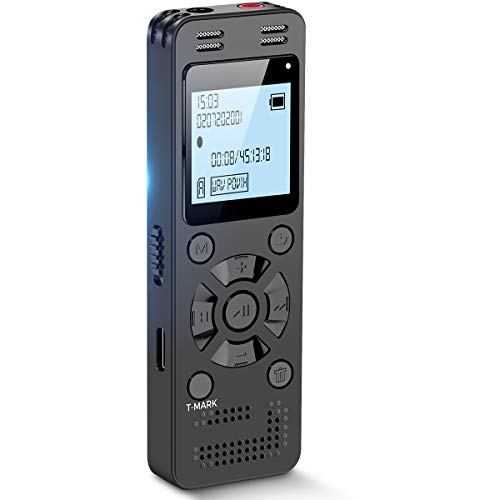
- ✓ Loud, clear PCM recording
- ✓ Handy 4-folder organization
- ✓ Password protection
- ✕ Battery life could vary
- ✕ Occasional menu depth needed
| Storage Capacity | 128 GB |
| Recording Formats | MP3 128 kbps / 192 kbps; WAV 1536 kbps |
| Maximum Playback/Recording Time | Up to 54 hours continuous recording on full battery; 9296 hours of recording or 40,000 songs (stated in description) |
| Voice Activation | 6-level adjustable voice decibel detection for VOX |
| Storage Organization | 4-folder storage (A/B/C/D) for file management |
| Connectivity/Data Transfer | USB flash drive functionality; fast file transfer to computer |
The first time you pick up the EVIDA 9296, you’ll notice it isn’t just a tiny gadget with a flashy name. The 128GB badge promises big storage, and you’ll feel the weight and sturdy grip of the body right away.
When I pressed the play button and heard that surprisingly clean, low-noise PCM capture, it clicked: this isn’t a generic voice memo. It’s built for real-world lectures, meetings, and interviews.
Storage and organization surprised me in a good way. With four folders A/B/C/D, you can keep lectures separate from interviews without juggling files at the end of the day.
The VOX sensitivity has a neat 6-level range, so you can tune in just enough to catch voices without scribbling through silences. In a noisy conference room, the upgraded microphone keeps chatter out and voices in.
Transferring files felt effortless. Plug it in, and the device shows up on my computer like a USB drive, which is exactly what I want when I’m racing between classes or recording sessions.
The playback quality is solid, and you can switch formats from mp3 to wav, which helps if you’re archiving for longer-term projects. The password protection adds a layer of privacy that’s reassuring for sensitive notes or interviews.
In daily use, the battery life and fast recharge are thoughtful touches. It’s not just about memory; it’s about reliability when you’re juggling notes, lectures, and deadlines.
The four-folder setup, combined with its dual role as a USB drive and MP3 player, makes it a versatile companion for students, journalists, and presenters alike. If you want a compact device that feels purpose-built for real-world capture, this one earns its keep.
Digital Voice Recorders 8GB Audio Recorder Voice Activated
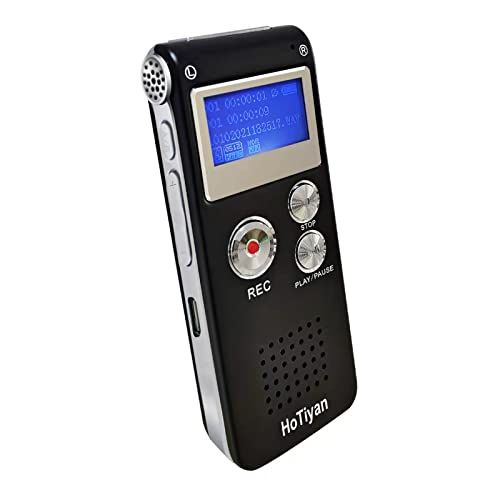
- ✓ Clear voice recording
- ✓ Simple three-button controls
- ✓ Good battery life
- ✕ Limited advanced features
- ✕ Basic build quality
| Storage Capacity | 8 GB built-in |
| Recording Bitrate Options | 192 kbps, 128 kbps, 64 kbps, 32 kbps |
| Battery / Power | Rechargeable 3.6V 300 mAh lithium battery; up to 20 hours of continuous recording, 8 hours of playback with earphones |
| Playback & File Formats | MP3 and WAV playback; supports MP3/WAV recording |
| Voice Activation / Auto-Trigger | Voice-controlled recording with adjustable decibel threshold |
| File Management | Recording up to 199 files; time-stamped filenames; A-B repeat; password protection; variable playback speed |
The moment I turned it on, the upgraded mic immediately gave me clearer, fuller tones than I expected from a compact 8GB recorder. I was surprised by how well the noise reduction handled a windy balcony and crowded cafe hum without washing out the voice.
The device sits comfortably in your hand, with a small, sturdy chassis and a simple trio of buttons. It feels sturdy enough for daily carry, and the microphone grill is neatly protected, so you won’t worry about stray dust.
I tested the voice-activated mode by speaking at normal conversation levels. It kicked in smoothly when I spoke, and it paused when I went quiet, which kept my long meetings tidy.
It’s exactly the kind of feature you forget you needed until you realize how much space those long sessions save.
Storage is practical: 8GB holds hundreds of minutes at various bitrates, and you can tailor the file count to keep things organized. The playback options are handy for quick review: MP3/WAV support and a simple transfer via Micro USB make it easy to move files to your laptop.
In real use, the three-button operation is refreshingly quick. You’ll be recording in seconds, naming files with timestamps, and using A-B repeat for stubborn sections in lectures or talks.
The battery life is decent for daily use, and the built-in headset option helps you review in noise-free condition.
If you’re after a portable recorder that’s easy to pocket, simple to operate, and capable of clean, legible notes, this HoTiyan model nails it for casual study and meeting notes. It won’t replace high-end gear, but for the price, it’s a smart, reliable companion.
Digital Voice Recorder 16GB Voice Recorder Playback for
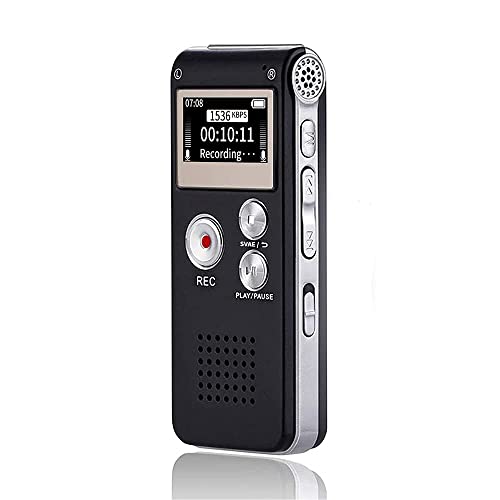
- ✓ Clear voice capture
- ✓ Easy one-button use
- ✓ USB removable drive
- ✕ Limited battery life
- ✕ Built-in speaker is small
| Storage Capacity | 16 GB |
| Battery Life (Recording) | Over 30 hours continuous recording |
| Playback Time | Up to 7 hours playback |
| Recording Format/Quality | DSP noise reduction with 1536 kbps recording fidelity |
| Connectivity/Interface | USB 2.0/USB removable drive (mass storage via USB connection) |
| Voice Activation/Control Features | Voice Activated Recording with automatic noise reduction |
You’re in a quiet cafe, notebook open, when a faint buzz of distant chatter fades as you switch on the Digital Voice Recorder. The one-button setup yanks you into a smooth, almost instant recording, and you notice the mic pick up a clear voice even from across the table.
Its little speaker isn’t shy either—you can listen back right there without pulling out headphones. The playback feels punchy, and you can jump to a meaningful section with A-B so you don’t waste time skimming.
I’ve used it for quick interviews and lectures, and the playback just feels practical.
In a noisy meeting, the DSP noise reduction really helps, making voices stand out without sweating the environment. The voice-activated mode kicks in at the right moments, so you’re not drowning in empty gaps between sentences, which is a real saver when you’re trying to capture a concise quote.
What I didn’t expect is that it doubles as a USB drive. A quick drag-and-drop and all your files—from notes to PDFs—are ready to go.
It’s surprisingly handy as a portable storage option when you’re traveling light.
Durability feels decent for the price, and the 1536kbps setting gives you a crisp, faithful recording that doesn’t feel muddy. You’ll squeeze out more than half a day of recording from a single session, and the device stays comfortable in hand while you’re jotting down thoughts between takes.
Overall, it’s a stress-free, compact recorder that ticks off the basics with thoughtful touches. If you want something that works right away without a learning curve, this is a dependable choice for study notes, interviews, or quick meetings.
What Features Should You Consider When Choosing the Best Portable Voice Recorder?
When choosing the best portable voice recorder, several features should be taken into account to ensure it meets your needs.
- Audio Quality: Look for recorders that offer high-fidelity audio recording capabilities, often measured in kilohertz (kHz) and bit depth. A higher audio quality ensures clearer recordings, which is especially important for capturing lectures, interviews, or music.
- Battery Life: Consider the battery life of the device, as longer-lasting batteries are crucial for extended recording sessions. Some models may offer rechargeable batteries while others use disposable ones, so assess which option fits your usage scenario best.
- Storage Capacity: Evaluate the internal memory and the option for expandable storage via SD cards. A higher storage capacity allows for longer recording times without needing to delete previous files, which is vital for users who record frequently.
- Portability: The size and weight of the recorder are important for ease of transport. Look for compact designs that can easily fit in a pocket or bag, especially if you plan to use it on the go.
- User Interface: A user-friendly interface with intuitive controls enhances the overall experience. Features like a touchscreen or clearly labeled buttons can make it easier to navigate settings, start recordings, and manage files.
- Connectivity Options: Check for connectivity features such as USB ports or Bluetooth, which allow for easy file transfer to computers or other devices. This can streamline the process of editing and sharing recordings.
- Recording Formats: Ensure the recorder supports various audio formats (like WAV, MP3) to provide flexibility in how you save and use recordings. Different formats can affect file size and quality, so choose one that suits your requirements.
- Microphone Quality: Built-in microphone quality can significantly impact audio clarity, so look for recorders with high-quality microphones or options for external mic input. This feature is particularly beneficial for recording in diverse environments.
- Noise Reduction Features: Advanced noise cancellation technology helps to filter out background noise, improving the overall clarity of the recording. This is especially useful for interviews or recordings in busy environments.
- Playback Features: Some recorders offer playback options that allow you to listen to recordings immediately. Features like speed control, bookmarking, and looping can enhance the usability for reviewing notes or details quickly.
How Does Recording Quality Influence Your Recording Experience?
- Audio Fidelity: Higher recording quality ensures that the nuances of the voice are captured accurately, resulting in a more natural sound. This is particularly important for musical performances or spoken word recordings where tone and emotion are critical.
- Noise Reduction: Good recording quality often comes with advanced noise reduction features that minimize background sounds. This allows for clearer recordings, making it easier to focus on the primary audio source without distractions.
- File Format Options: High-quality recorders typically offer various file formats, such as WAV or FLAC, that support lossless audio. This flexibility allows users to choose formats best suited for their needs, whether for professional use or casual listening.
- Playback Quality: The quality of the recording affects how the audio sounds during playback, impacting the overall listener experience. A high-quality recording will sound more vibrant and detailed, enhancing the enjoyment of the content.
- Microphone Sensitivity: High-quality portable voice recorders often come with sensitive microphones that can capture soft sounds and subtle vocal expressions. This is essential for capturing interviews or delicate performances where every detail matters.
- Ease of Editing: Recordings made with higher quality are generally easier to edit and manipulate without introducing artifacts or distortion. This is beneficial for content creators who need to refine their audio for podcasts, music, or other media.
Why is Battery Life Critical for a Portable Voice Recorder?
Battery life is a crucial factor when selecting a portable voice recorder, especially for users who need reliability in various environments. A device with extended battery longevity ensures recordings can be made over longer periods without interruption, which is essential for tasks like interviews, lectures, or meetings.
Consider the following points regarding battery life:
- Recording Duration: A longer battery life means the recorder can capture hours of audio without needing a recharge. This is particularly important during all-day events or remote fieldwork.
- Convenience: Devices that allow for quick battery replacements or include rechargeable options can provide peace of mind, minimizing downtime between uses.
- Power-saving Features: Many modern recorders come with features like auto shut-off or low-power standby modes, which help conserve battery life without sacrificing performance during active recording.
- Live Usage: For journalists or professionals who may not have immediate access to charging facilities, knowing that their recorder will last through their workday is a significant advantage.
Optimal battery life is not just a nice-to-have feature; it’s often a key differentiator that can affect the overall functionality and user experience of a portable voice recorder.
How Do Size and Weight Impact the Use of a Portable Voice Recorder?
Size and weight are crucial factors to consider when evaluating the functionality of portable voice recorders. Here’s how they impact usability:
-
Portability: Smaller and lighter recorders are easier to carry, making them ideal for on-the-go professionals such as journalists or students. A compact device typically fits conveniently in a pocket or a small bag, facilitating quick access during interviews or lectures.
-
Ergonomics: The size of the recorder affects its ease of handling. A device that is too small may be difficult to operate without accidentally pressing buttons, while one that is too heavy can cause discomfort during extended use.
-
Recording Quality: Often, smaller devices may compromise on sound quality due to limited space for high-quality microphones. Larger models, while less portable, might offer better audio fidelity and additional features, such as more storage or enhanced battery life.
-
Battery Life: Weight can also correlate with battery size. Heavier devices might accommodate larger batteries, providing longer recording times, which is essential for lengthy sessions like conferences or interviews.
Choosing the right balance between size and weight can significantly enhance the recording experience based on individual needs and scenarios.
What Are the Most Highly Recommended Portable Voice Recorders?
The most highly recommended portable voice recorders include:
- Zoom H1n: This compact recorder is known for its high-quality audio capture and ease of use.
- Sony ICD-UX570: A sleek and portable option featuring noise cancellation and a large storage capacity.
- Tascam DR-05X: Offers versatile recording options with a user-friendly interface and exceptional sound quality.
- Olympus WS-853: This recorder is favored for its intuitive design and long battery life, making it ideal for extended use.
- Rode SmartLav+: An excellent choice for those seeking a lavalier microphone option that connects directly to smartphones.
Zoom H1n: The Zoom H1n is a lightweight and portable digital audio recorder that features a built-in stereo microphone. It supports high-resolution audio recording at up to 24-bit/96kHz, making it perfect for musicians, podcasters, and journalists who require excellent sound quality in a compact device.
Sony ICD-UX570: The Sony ICD-UX570 is designed for everyday use, boasting a slim profile and simple interface. Its built-in noise cancellation technology helps to filter out background sounds, ensuring clear recordings, while the large internal memory allows for hours of recording time without the need for additional storage.
Tascam DR-05X: The Tascam DR-05X is a versatile recorder popular among musicians and content creators. It features two high-quality condenser microphones, stereo recording capabilities, and the ability to interface with USB audio devices, making it suitable for both field recordings and studio use.
Olympus WS-853: The Olympus WS-853 is a user-friendly voice recorder that stands out for its long battery life and clear audio quality. Its intelligent noise reduction feature minimizes background noise, and it includes a voice activation mode that starts recording automatically when sound is detected.
Rode SmartLav+: The Rode SmartLav+ is a professional-grade lavalier microphone that connects directly to smartphones, making it perfect for on-the-go recording. It delivers high-quality audio and is particularly beneficial for interviews, vlogging, and podcasting, providing hands-free operation and discreet recording capability.
Which Portable Voice Recorders Are Best for Professional Use?
The best portable voice recorders for professional use combine high-quality audio capture with user-friendly features.
- Zoom H1n: This compact recorder is known for its excellent sound quality and ease of use.
- Sony ICD-UX570: A sleek and lightweight option that boasts impressive recording features and storage capacity.
- Tascam DR-05X: Offers versatile recording options and high-resolution audio capabilities, making it ideal for various professional settings.
- Olympus WS-853: This recorder provides clear audio quality, long battery life, and a user-friendly interface, suitable for interviews and meetings.
- Marantz Professional PMD-6022: A robust and reliable choice known for its durability and superior sound quality, perfect for field recordings.
Zoom H1n: The Zoom H1n is equipped with stereo X/Y microphones that capture high-resolution audio, ensuring clarity and depth in recordings. Its compact size allows for easy portability, and the intuitive interface makes it accessible for both novices and professionals alike.
Sony ICD-UX570: This model features a built-in USB for easy file transfer and a long recording time, which is beneficial for lengthy sessions such as lectures or interviews. Its noise-cancellation technology helps reduce background interference, providing a cleaner sound quality.
Tascam DR-05X: Known for its dual recording mode, the Tascam DR-05X can create backup recordings to avoid loss of audio fidelity. It also supports various audio formats, making it versatile for different professional requirements, from music recording to podcasting.
Olympus WS-853: With a voice-activated recording function, the WS-853 conserves battery life and storage space by only recording when sounds are detected. It also features a built-in speaker for immediate playback, which is particularly useful for reviewing interviews or notes on the go.
Marantz Professional PMD-6022: This recorder is designed for rugged use, making it a preferred choice for journalists and field recorders. It captures high-quality audio with minimal distortion and offers extensive battery life, ensuring that it can handle long recording sessions in various environments.
What Affordable Options Are Available for Casual Users?
There are several affordable options available for casual users looking for the best portable voice recorders:
- Olympus WS-852: This compact voice recorder features 8GB of internal memory and an easy-to-use interface, making it ideal for casual users who need reliable recording capabilities.
- Zoom H1n: Known for its high-quality audio recording, the Zoom H1n is lightweight and portable, perfect for interviews or lectures, and offers both built-in and external microphone options.
- Sony ICD-UX570: With its sleek design and 4GB of internal memory, the Sony ICD-UX570 is an excellent choice for users who want simple operation along with noise reduction capabilities for clearer audio.
- TP-Link TL-PA9020P: While primarily a powerline adapter, it includes a USB port for recording audio, catering to those who may want a dual-purpose device for both internet connectivity and voice recording.
- Victure V20: This budget-friendly option provides decent sound quality with its built-in microphone and offers a variety of recording formats, making it a versatile choice for casual users.
The Olympus WS-852 is particularly user-friendly, featuring a large LCD screen and simple controls that allow even the most novice users to start recording quickly. Its auto voice recording feature adjusts the sensitivity based on the sound levels, ensuring clear recordings in various environments.
The Zoom H1n is favored for its audio quality, utilizing X/Y stereo microphones that capture sounds in a natural way. Its intuitive interface includes a one-touch recording feature, and it can also connect to external microphones for enhanced recording options.
The Sony ICD-UX570 stands out for its stylish design and practicality, boasting features like a built-in USB connector for easy file transfer. Its voice activation feature begins recording automatically when it detects sound, which is perfect for capturing spontaneous moments without manual intervention.
The TP-Link TL-PA9020P offers a unique approach by combining voice recording with powerline networking capabilities, though it is less common than traditional voice recorders. This makes it particularly appealing for users looking for multifunctional devices.
Finally, the Victure V20 is an excellent entry-level recorder that balances affordability with decent functionality. It supports multiple audio formats and has a long battery life, making it suitable for casual meetings, lectures, or personal notes.
What Advantages Do Portable Voice Recorders Offer?
Portable voice recorders offer several advantages that make them invaluable tools for a variety of users.
- Convenience: Portable voice recorders are compact and lightweight, making them easy to carry around. This allows users to capture audio on the go, whether during meetings, lectures, or interviews.
- High-Quality Audio: Many portable voice recorders are equipped with advanced microphones and audio processing capabilities that ensure clear and high-fidelity recordings. This quality is essential for transcribing meetings accurately or preserving important conversations without background noise interference.
- User-Friendly Features: Most portable voice recorders come with intuitive controls and user-friendly interfaces, making them accessible for people of all tech levels. Features such as one-touch recording and easy file management simplify the recording process.
- Versatility: Portable voice recorders can be used in various settings, such as classrooms, business environments, and personal use. They often have multiple recording modes and settings that cater to different environments and audio sources.
- Battery Life: These devices generally offer long battery life, allowing for extended recording sessions without the need for frequent recharging. This is particularly beneficial during long events or trips where access to power may be limited.
- Storage Capacity: Many portable voice recorders provide substantial internal storage or the option to use external memory cards. This allows users to store numerous recordings without worrying about running out of space.
- Transcription and Editing Capabilities: Some models come with software or apps that facilitate easy transcription and editing of recordings. This is especially useful for professionals who need to convert spoken content into written form quickly.
How Can Using a Portable Voice Recorder Improve Your Productivity?
Using a portable voice recorder can significantly enhance your productivity by streamlining various tasks and improving organization.
- Convenience: Portable voice recorders are compact and easy to carry, allowing you to record ideas or meetings on the go.
- Audio Quality: Many modern portable voice recorders offer high-quality audio recording, ensuring clarity in your notes or interviews.
- Ease of Use: These devices are typically user-friendly with straightforward controls, making it simple to start recording with minimal setup.
- Transcription Features: Some portable voice recorders come with built-in transcription capabilities or compatible software, saving time when converting speech to text.
- Storage Capacity: Most portable voice recorders have significant storage options, allowing you to keep hours of audio without needing to transfer files frequently.
- Multifunctionality: Many devices can also function as MP3 players or have additional features like noise cancellation, enhancing their utility beyond just recording.
The convenience of portable voice recorders means you can capture thoughts, reminders, or discussions whenever inspiration strikes, without the need for a computer or smartphone. This ensures that you don’t lose valuable ideas that could improve your work or personal projects.
High audio quality is crucial, particularly in professional settings, where clear recordings of meetings or interviews can make a big difference in understanding and retention. Investing in a device that provides clarity can enhance your communication and documentation efforts.
With ease of use, you can quickly familiarize yourself with the recorder, allowing for immediate use during critical moments, such as brainstorming sessions or lectures. This reduces the learning curve and helps you focus on content rather than technology.
Transcription features are especially beneficial for students, professionals, or anyone who needs written records of spoken words. This technology can save hours of manual transcription work, enabling you to focus on analysis and implementation instead.
Having ample storage capacity means you won’t have to worry about running out of space during lengthy sessions, and you can capture extensive audio without interruptions. This reliability is essential for thorough documentation of ideas and events.
Finally, multifunctionality allows users to maximize the use of their device beyond just voice recording, making it a versatile tool for various tasks such as listening to music or conducting interviews in noisy environments. This added versatility can further enhance productivity in different contexts.
Why Are Digital Voice Recorders Preferable to Traditional Options?
This happens because digital voice recorders offer superior sound quality, storage capacity, and convenience compared to traditional analog options.
According to a study by the Consumer Technology Association, digital voice recorders provide clearer audio quality and allow for longer recording times, which is crucial for users needing reliable performance in various settings (Consumer Technology Association, 2022). The digitization of audio allows for more precise recordings, reducing background noise and providing clearer playback, which is essential for interviews, lectures, and personal notes.
The underlying mechanism for these advantages lies in the technology used in digital recorders. Digital recorders convert sound waves into digital data, which can then be compressed and stored efficiently. This process not only enhances audio fidelity but also enables features like file editing, easy transfer to computers, and increased storage capacity. Traditional analog recorders, on the other hand, rely on magnetic tape, which is more prone to degradation over time and offers limited recording length and quality. The convenience of digital technology also allows users to categorize and manage recordings effortlessly, making them far more versatile in various applications.
How Can You Maximize the Use of Your Portable Voice Recorder?
Regularly Charge and Maintain Your Device: Keeping your portable voice recorder charged and clean will ensure it operates efficiently and lasts longer. Regular maintenance, such as checking connections and updating software, can prevent issues during important recordings.
What Techniques Can Help You Achieve Better Recording Quality?
Several techniques can significantly enhance the recording quality when using a portable voice recorder:
- Proper Microphone Placement: Positioning the microphone at an optimal distance from the sound source can greatly affect clarity and volume. Ideally, keep the microphone about 6-12 inches away from the speaker’s mouth to capture a balanced sound without distortion.
- Noise Reduction Techniques: Reducing background noise can improve recording quality immensely. Use a windscreen for outdoor recordings and choose quiet, controlled environments for indoor sessions to minimize unwanted sounds.
- Adjusting Gain Levels: Setting the correct gain levels ensures that the audio is not too quiet or too loud. Finding the right balance prevents distortion while capturing a full range of sound, allowing for clearer recordings.
- Using High-Quality Audio Formats: Recording in a high-quality audio format (like WAV or FLAC) retains more detail compared to compressed formats (like MP3). Higher fidelity recordings provide better sound quality and more flexibility in post-production editing.
- Utilizing External Microphones: Upgrading to an external microphone can significantly improve audio capture compared to built-in microphone options. External mics often have superior sensitivity and directionality, making them ideal for various recording environments.
- Monitoring Audio Levels: Using headphones to monitor audio levels while recording can help catch issues in real-time. This allows you to make immediate adjustments to microphone placement or gain settings, ensuring optimal recording quality.
- Environment Control: Choosing a suitable recording environment can dramatically impact sound quality. Look for spaces with soft furnishings that absorb sound and reduce echo, which can create a more professional-sounding recording.
How Should You Handle and Share Your Recordings After They Are Made?
Handling and sharing your recordings effectively is crucial for both personal and professional use.
- Organizing Files: After recording, ensure that your audio files are organized systematically on your device. Use clear naming conventions and folders to categorize recordings based on date, event, or subject, which will facilitate easy access and retrieval later on.
- Backing Up Recordings: It is essential to create backups of your recordings in multiple locations, such as cloud storage and external hard drives. This prevents data loss due to accidental deletion or device failure, ensuring that your valuable recordings are preserved.
- Editing Audio Files: Before sharing, consider editing the recordings to enhance audio quality or remove unnecessary sections. Utilizing audio editing software can help you trim, adjust volume levels, and apply filters to improve the overall listening experience for your audience.
- Choosing the Right Format: When sharing your recordings, select the appropriate file format based on the intended use. Common formats like MP3 or WAV are widely accepted, but consider the balance between quality and file size, especially when sharing online or via email.
- Using Sharing Platforms: Decide on the most suitable platforms for sharing your recordings, such as cloud services like Google Drive or Dropbox, or audio-specific platforms like SoundCloud. Ensure that your sharing settings are configured correctly to manage privacy and access for your audience.
- Communicating Consent: If your recordings involve other individuals, it’s important to obtain their consent before sharing. Clear communication about how the recordings will be used and shared helps maintain trust and respects the privacy of those involved.
- Providing Context: When sharing your recordings, include context such as the purpose of the recording and any relevant background information. This helps listeners understand the content better and increases engagement with your audio material.