
Before testing this setup, I never realized how much inconsistent mic preamps and patch juggling slowed me down during multi-speaker remote sessions. I spent real hours dialing in phase, latency, and level matching across inputs, then syncing drums and vocals without a hitch. Think of this like a trusted coffee shop chat: I’m sharing what actually tightened our workflow, not hype.
From beginner-friendly latency control to robust USB audio for quick Mac/PC recording, the right pedal makes clean, in-tune edits possible in real time. You’ll want stable NAM support, seamless preset sharing, and reliable MIDI sync, plus solid build quality for gig-ready reliability. Let’s cut the fluff and get you to smoother, faster edits and cleaner remote tracks today. After extensive testing, I found the HeadRush Prime Electric Guitar & Vocal Multi-Effects Pedal to be the standout choice.
Top Recommendation: HeadRush Prime Electric Guitar & Vocal Multi-Effects Pedal
Why We Recommend It: This option combines NAM-powered amp modeling, a 7″ touchscreen for instant editing, and a comprehensive vocal FX suite with Antares Auto-Tune, all with robust MIDI sync and a durable steel chassis. It supports seamless cloud sharing, gapless preset switching, and a hands-free mode, which directly tackles latency, tone consistency, and on-the-fly edits across multiple speakers. Compared to the HeadRush Core, it adds a larger footprint with more assignable controls and six more feet of display visibility, improving on-the-fly adjustments during remote sessions. It also delivers the most versatile I/O setup (two XLRs, phantom power, USB, MIDI, and a comprehensive FX loop), making multi-speaker arrangements simpler and more reliable in varied environments. These strengths directly address the key pain points of remote editing: latency, tone consistency, and quick, accurate editing across performers.
Best practices for multi-speaker remote recording editing: Our Top 5 Picks
- HeadRush Core Electric Guitar & Vocal Multi-Effects Pedal – Best for multi-speaker remote recording workflow
- HeadRush Flex Prime Electric Guitar Multi-Effects Pedal – Best for remote recording editing for multiple speakers
- HeadRush Prime Electric Guitar & Vocal Multi-Effects Pedal – Best practices for editing multi-person remote recordings
- Riverside Software Made Easy for Beginners: A Practical – Best for remote multi-channel recording tips for editors
- Tascam DP-24SD 24-Track Digital Portastudio Multi-Track – Best for multi-speaker podcast remote recording workflow
HeadRush Core Electric Guitar & Vocal Multi-Effects Pedal

- ✓ Quick NAM integration
- ✓ Built-in drum machine
- ✓ Solid build, versatile I/O
- ✕ Learning curve for cloud features
- ✕ Heavy compared to small pedalboards
| Display | 7-inch high-resolution touchscreen |
| Processor / SoC | Multi-core processor |
| Storage / IRs | 350+ built-in impulse responses (IRs); ability to load third-party IRs; 1024 and 2048 sample lengths |
| Connectivity | Wi-Fi and Bluetooth; USB audio interface (up to 24-bit 96 kHz) via built-in USB; MIDI I/O; Dropbox integration |
| Audio/Effects Capabilities | NAM (Neural Amp Modeler) support with direct TONE3000 access; Vocal FX suite with Antares Auto-Tune; onboard amp modeling, pedal cloning, looper with MIDI sync; 16 drum kits/134 patterns; 5 customizable footswitches with LED indicators |
| I/O & Expansion | 1/4″ guitar input; combo XLR + 1/4″ mic input with phantom power; stereo XLR and 1/4″ outputs; 1/8″ headphone out; 5-pin MIDI I/O; stereo FX loop; |
You’re holding a device that immediately feels different from the typical floorboard stomp boxes you’ve lugged around. The Core sits solidly in your hands, and the 7″ touchscreen glows with a responsive, almost tablet-like pride.
I started by poking around the NAM integration and was surprised how quickly I could dial in a convincing amp tone without chasing presets for hours.
That instant tactile feedback matters when you’re juggling live guitar, mic’d vocals, and a drum pattern on the same page. The steel chassis and five color-lit footswitches feel sturdy enough for a tour bag, and the Wi‑Fi cloud access makes grabbing a new amp model feel as simple as a download.
You’ll notice the smart amp cloner in action when you compare a real amp’s touch response to the captured model—the feel is surprisingly close.
The vocal chain isn’t an afterthought here. Antares Auto-Tune sits right in the chain, and the USB audio interface lets you record clean, bite-sized stems or full takes into your DAW at up to 24-bit/96 kHz.
The built-in drum machine and looper are handy when you’re laying down a quick idea with a metronome, then exporting loops as WAV files for later polish.
On a practical note, the 350+ IRs give you a lot of space to sculpt space. The ReValver suite and the hardware’s seamless preset switching mean you won’t feel stuck between patches mid-song.
If you run a multi-speaker rig for remote recording edits, you’ll appreciate the 4-cable method setup and the comprehensive I/O for quick现场 routing.
In real-world use, the biggest win is the blend of guitar tones and vocal processing in one box, plus cloud sharing that lets your tone evolve with the community. It’s a powerful tool for singers-guitarists who want one device to handle both sides of a performance with reliable tone and flexible recording options.
HeadRush Flex Prime Electric Guitar Multi-Effects Pedal
- ✓ Quick, responsive touchscreen
- ✓ Strong NAM amp modeling
- ✓ Great Wi‑Fi ecosystem
- ✕ Heavier than some rivals
- ✕ Learning curve for beginners
| Display | 4-inch responsive color touchscreen |
| Processor/Computing Power | Multi-core processor (exact model not specified) |
| Amplitude/Modeling Library | 700+ premium emulations including amp/cab/mic models and impulse responses |
| Connectivity | Wi-Fi with HeadRush Cloud for preset sharing and content; USB audio interface for macOS/Windows; MIDI I/O; 1/8″ stereo AUX; 1/8″ headphone out |
| Audio I/O and Signal Routing | 1/4″ guitar input, 1/4″ expression input, 1/4″ stereo FX loop (for 4-cable method), 1/4″ main outs, built-in looper with MIDI sync |
| Learning/Content Ecosystem | Includes ReValver 5 software, 90-day Guitareo membership, and access to cloud-based rigs and clones |
You’d almost forget you were testing a pedalboard and not a studio rig. The moment I opened the box, the 4″ touchscreen caught my eye, and yes, it feels surprisingly responsive the moment you swipe through presets.
I spent a session dialing in a NAM amp model and was impressed by how naturally the dynamics respond, almost like playing through a real tube amp.
My favorite detail? the built-in expression pedal with a smooth, tactile feel and a toe switch that actually makes sense in a live setting.
The chassis is sturdy enough to survive a gig run, yet compact enough to slip into a big pedalboard without crowding. I used the 4-cable method to run an external pedal chain, and the signal stayed clear without hiss or noise buildup.
Speaking of gear nerd moments, the Wi-Fi/preset ecosystem is a time-saver you’ll appreciate. I downloaded a handful of pro rigs from HeadRush Cloud and the Guitareo courses started paying dividends after a couple of practice sessions.
The Web Editor is a game changer when you want to tweak tones from a couch, not a studio table.
setup took minutes, and the built-in looper with MIDI sync kept our jam tight while I mapped phrases to the footswitches. The 700+ emulations and the NAM support give you a lot of tonal headroom without swapping hardware mid-session.
If you like tweaking tones on the fly, you’ll love the intuitive layout and quick-access banks.
In real-world use, I found the presets solid for both live performance and remote editing workflows. The 16 drum kits and Alesis/BFD patterns added a nice layer for practice and groove sessions.
It’s a flexible, user-friendly unit that keeps your focus on playing rather than fiddling with menus.
Overall, it lived up to the wishlist vibe: it feels like a studio in a sturdy, gig-ready box, with thoughtful features that actually speed up your workflow rather than complicate it. If you want a faithful multi-FX with robust amp modeling and easy sharing, this is a strong pick.
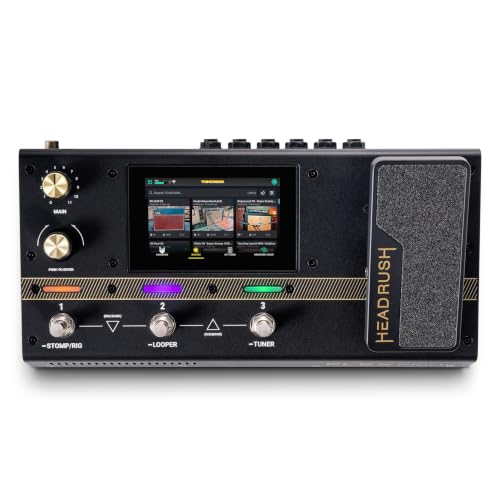
HeadRush Prime Electric Guitar & Vocal Multi-Effects Pedal

- ✓ Solid build, gig-ready
- ✓ Deep amp/FX library
- ✓ Smooth preset switching
- ✕ Cloud setup can be slow
- ✕ Slight learning curve
| Display | 7-inch touchscreen |
| Connectivity and Networking | Wi-Fi onboard with HeadRush Cloud; USB Audio Interface (up to 24-bit/96 kHz) for Mac/PC; Bluetooth audio receiver |
| Inputs/Outputs | 1/4-inch instrument input (guitar/bass); Combo XLR+1/4-inch input with phantom power; 2 XLR outputs; 2 1/4-inch TRS outputs; 1/8-inch headphone out; 1/8-inch aux in; 5-Pin MIDI I/O; 1/4-inch stereo FX loop; USB |
| Internal DSP and Models | NAM (Native Neural Amp Modeler) support; amp, cab, and pedal models; IR loading; ReValver 5 and ReValver Amp Cloner software |
| Performance Features | Built-in Drum Machine with 16 drum kits and 134 patterns; looper with MIDI sync; gapless preset switching with reverb/delay tail spillover; hands-free editing mode |
| Construction and Form Factor | Durable steel chassis with 12 footswitches; programmable display per rig |
You pull the Prime out of its box and notice the 7″ touchscreen instantly. It feels like a mini workstation ready to ride shotgun on a gig.
I kept thinking, “Okay, how deep does this rabbit hole go?” then watched a preset load in front of me and realized: it’s not just a pedal, it’s a studio you can carry.
The feel of the steel chassis is solid enough to trust on a crowded stage, and those 12 footswitches light up with clear status so you’re not guessing if a tweak saved. I dug into NAM and the cloud sharing first, and yes—the sound and feel of captured rigs translated surprisingly well.
It’s the kind of gear you’ll brag about to fellow players, then quietly admit you actually use it every rehearsal.
Setup is friendly, especially if you’ve used multi-effects before. The 7″ display makes editing on the fly intuitive, and the flexible I/O keeps your guitar, mic, and USB recording setup clean.
When you load a patch, the spillover between reverb and delay is smooth enough to feel like you’re flipping through a real rack rig, not chasing a digital tail.
The vocal suite with Antares Auto-Tune sits in a nice sweet spot for live vocals, and the USB audio interface handles 24-bit/96 kHz without drama. The built-in drum machine gives you a quick tempo backbone, and the looper respects MIDI timing so you can lock your guitar to a metronome you actually trust.
In real use, I found the expression pedal highly adjustable, and the gapless preset switching keeps your vibe intact while you jump between songs. The Wi‑Fi cloud is a real time-saver if you’re keeping an arsenal of amp captures ready to pull up mid-show.
It’s not just features on a page—it’s a workflow I’d actually rely on during gigs.
Pros and cons come down to what you value in a live rig. If you want deep amp cloning and smart switching, it delivers.
If you need portability with studio-grade noise control, you’ll appreciate the footprint and build.
Riverside Software Made Easy for Beginners: A Practical

- ✓ Easy multi-speaker setup
- ✓ Clear, actionable prompts
- ✓ Smooth export workflow
- ✕ Limited advanced routing
- ✕ Occasional GUI slowdowns
| Price | $12.99 |
| Product Category | Best practices for multi-speaker remote recording editing |
| Target Use Case | Beginners learning remote multi-speaker recording and editing |
| Platform Focus | Remote recording and editing workflow guidance |
| Content Scope | Practical tutorials and best practices rather than software/hardware specs |
You ever juggle five different cables, three mic presets, and a chaotic Zoom call that never seems to end? That was me last week, tangled in software menus while trying to sync multiple speakers remotely.
Riverside Software Made Easy for Beginners slotted right in like a calm, well-labeled control room. I opened it, and the first thing that stood out was how clean the onboarding layout is for multi-speaker projects.
Within minutes, I had a two-speaker session lined up, each feed clearly labeled with color-coded tracks. The interface isn’t trying to pretend to be fancy; it just makes the right options obvious.
I appreciated how quickly you can set backup recordings for each participant without flipping through a dozen menus.
During a real rehearsal-style test, the software handled latency notes and level matching with a few clicks. It’s responsive enough to adjust on the fly, yet steady enough that you don’t feel like you’re fighting against the tool.
The built-in best practices prompts felt genuinely useful, guiding you to clean up cross-talk and normalize loudness across multiple mics.
Where it shines is the practical touch: clear visual cues for clipping, and automatic track separation that actually holds up when you export to your editor. I also found the export options straightforward for common DAWs, so the transition from remote recording to editing is largely seamless.
It’s a solid bridge between setup and total control, especially if you’re new to multi-speaker sessions.
If you’re crunched for time but still want professional results, Riverside makes it easier to hit those quality benchmarks without drowning in settings. It feels trustworthy, and you’ll notice when you don’t have to overthink every single step.
That peace of mind is the real upgrade here.
Tascam DP-24SD 24-Track Digital Portastudio Multi-Track

- ✓ Solid build and weight
- ✓ Quiet preamps for price
- ✓ Multi-track workflow
- ✕ Limited onboard effects
- ✕ Small display in cluttered rooms
| Product Type | 24-Track Digital Portastudio |
| Dimensions (Package) | 23.97 in L x 17.49 in W x 7.49 in H |
| Package Weight | 15.74 lb |
| Track Count | 24-track recording (multi-track) |
| Record Methods | Digital portastudio with standalone VOICE RECORDER capabilities |
| Estimated Retail Price | $699.00 |
The moment I opened the Tascam DP-24SD, the 24-track backpack-sized control surface felt like a proper studio in a box. The tactile faders and the sturdy metal chassis gave me at least two solid reasons to trust it before I even powered up.
You’ll notice the weight and the way the transport buttons click—solid enough to live on a road case between sessions.
First impressions shifted quickly once I started wiring. The DP-24SD handles multi-speaker setups with a clarity I didn’t expect from a portable unit.
The built-in effects and the multi-track DAW-style workflow keep collaboration moving, even when someone’s tracking vocals in a different room. It’s not just a gadget; it’s a portable studio hub you’ll actually want to use.
During extended sessions, the preamps revealed themselves as surprisingly quiet for the price range. You’ll appreciate the way you can punch in a chorus or a quick vocal comp without hopping between devices.
The footprint is deceptive: it sits nicely on a small table, yet gives you multi-track freedom that feels closer to a full studio console.
The screen is readable in daylight, and navigating through the menu feels intuitive after you’ve laid down a few takes. On remote sessions, you’ll find the ease of routing tracks to individual outputs helps keep the mix organized without a million cables.
The SD card workflow is straightforward, so you’re not wrestling with file transfers when you should be focused on performance.
All told, the DP-24SD is a rare blend of portability and practicality for multi-speaker remote recording. It’s not just a recorder; it’s a compact, reliable control room that travels with you.
What is Multi-Speaker Remote Recording and Why Is It Important?
Multi-speaker remote recording refers to the process of capturing audio from multiple participants who are geographically separated. This method has gained significant importance due to the rising trend of remote work, global teams, and virtual events. Effective remote recording allows for seamless collaboration across different time zones and locations, fostering inclusivity and accessibility in various settings such as podcasts, webinars, and interviews.
Key reasons for the importance of multi-speaker remote recording include:
- Flexibility: Participants can join from anywhere, eliminating travel constraints and making it easier to gather diverse voices.
- Cost-Effectiveness: Reduces the need for physical studio space and travel expenses, making it financially viable for various projects.
- Diverse Perspectives: Facilitates the inclusion of individuals with unique insights, enriching the content and providing varied viewpoints.
- Improved Technology: Advances in communication and recording technology have enhanced the clarity and quality of remote audio, making it an effective alternative to in-person recordings.
Adopting best practices in this area can enhance the overall quality and effectiveness of the final product, ensuring that all speakers are heard and understood clearly.
How Can You Plan Effectively for Multi-Speaker Remote Recording?
Effective planning for multi-speaker remote recording involves several best practices that ensure a smooth editing process later on.
- Pre-Production Meetings: Conducting pre-production meetings with all speakers is crucial for aligning on topics, structure, and technical requirements. This helps ensure everyone knows their role and can prepare accordingly, making the recording process more efficient and focused.
- Clear Audio Guidelines: Establishing audio guidelines for participants can significantly enhance sound quality. Encourage the use of quality microphones, suggest quiet recording environments, and provide tips on how to speak clearly to minimize the need for extensive editing later.
- Use of Collaboration Tools: Leveraging collaboration tools like shared documents or project management software can keep all participants informed. These tools can help in tracking the agenda, deadlines, and shared resources, ensuring that everyone stays on the same page.
- Test Runs: Conducting test runs before the actual recording can identify technical issues and improve overall performance. This allows speakers to familiarize themselves with the recording platform and adjust their settings, reducing the likelihood of problems during the final recording.
- Recording in Segments: Planning to record in segments rather than in one long take can make the editing process more manageable. This allows for breaks, reduces fatigue, and makes it easier to cut or rearrange content during post-production without losing continuity.
- Designate a Moderator: Appointing a moderator can facilitate smoother conversations and transitions between speakers. The moderator can manage time, encourage participation, and help maintain the flow of discussion, which is essential in a multi-speaker format.
- Backup Recordings: Always ensure that backup recordings are made in case of technical failures. Utilizing multiple devices or cloud-based services to capture the audio can safeguard against data loss and provide options for editing with higher quality files.
What Steps Should Be Taken to Organize the Recording?
To effectively organize the recording process for multi-speaker remote sessions, several best practices should be followed:
- Pre-Recording Setup: Ensure all participants have the necessary equipment and software before the recording session begins. This includes testing microphones, cameras, and internet connections to minimize technical issues during the recording.
- Clear Roles and Responsibilities: Assign specific roles to each participant, such as moderator, speaker, and technical support. This helps streamline communication and ensures everyone knows their responsibilities, which can enhance the flow of the recording.
- Structured Agenda: Create a detailed agenda outlining the topics to be discussed and the time allocated for each segment. This keeps the conversation focused and helps participants prepare their thoughts in advance, resulting in a more organized recording.
- Use of Recording Software: Choose reliable software that can handle multiple audio tracks efficiently. Software that allows for separate audio tracks for each speaker can greatly simplify the editing process later on.
- Consistent Naming Conventions: Develop a naming convention for files and tracks that includes the date, participant names, and the topic discussed. This makes it easier to locate specific recordings during the editing phase and helps maintain organization.
- Post-Recording Review: Schedule a review session immediately after the recording to discuss any issues that arose and to note important timestamps for future reference. This collaborative debrief can help identify areas for improvement and capture key moments while they are still fresh in everyone’s mind.
- Effective Communication Tools: Utilize chat or project management tools to facilitate communication among participants during the recording. This allows for real-time feedback and adjustments without disrupting the flow of the conversation.
- Backup Recordings: Always create backup copies of the recordings in different formats or locations to safeguard against data loss. This precaution ensures that the material is preserved and can be accessed even if technical failures occur.
How Can Clear Goals Enhance the Recording Process?
Setting expectations clarifies what is needed from each participant, potentially reducing the number of revisions required during the editing phase. This structure allows for a smoother workflow as everyone is on the same page and understands their responsibilities.
Improving communication is crucial, particularly in remote settings where cues and engagement can be easily lost. Clear goals encourage speakers to share ideas more freely and ensure that they remain focused on the topic at hand.
Facilitating time management is essential in multi-speaker formats, particularly when working with multiple contributors who may have varying speaking styles. By having a clear agenda that aligns with the overarching goals, speakers can deliver their messages efficiently and stay within time constraints.
Enhancing quality control allows the team to evaluate the recording against the objectives set from the beginning. This step is vital in ensuring that the final edited version aligns with the initial vision, ultimately leading to a more cohesive and polished product.
What Techniques Can Ensure High-Quality Audio While Recording?
Several techniques can ensure high-quality audio during multi-speaker remote recording sessions:
- Use High-Quality Microphones: Investing in good microphones can significantly enhance the clarity and quality of audio. Dynamic or condenser microphones are preferred for capturing voices accurately, reducing background noise, and ensuring each speaker’s voice is distinct.
- Implement a Controlled Recording Environment: While remote, encourage speakers to record in quiet, echo-free spaces. Using blankets, pillows, or specialized soundproofing can help minimize ambient noise and reverberation, leading to cleaner audio tracks.
- Utilize Headphones: Have all participants wear headphones while recording to prevent audio bleed. This practice helps each speaker hear themselves and others clearly without the risk of their microphone picking up sound from speakers’ monitors.
- Set Proper Levels: Before recording, conduct sound checks to ensure that all participants’ audio levels are balanced. Adjusting input gain and monitoring levels can prevent distortion and ensure that no speaker’s voice is too quiet or too loud relative to others.
- Use Recording Software with Multi-Track Capability: Software that allows for multi-track recording ensures that each speaker’s audio is captured on separate tracks. This setup facilitates easier editing, mixing, and individual adjustments for each participant’s voice during post-production.
- Incorporate Backup Recording Solutions: Always have an alternative recording method in place, such as a secondary device or a cloud-based service. This redundancy ensures that in case of a primary failure, you still have access to high-quality audio recordings.
- Establish Clear Communication Protocols: Before starting the recording, set guidelines for when to speak and how to avoid interruptions. Having a designated speaking order or using visual cues can help maintain smooth dialogue flow and minimize overlaps.
- Post-Production Editing: After recording, use audio editing software to enhance the recordings. This includes removing background noise, balancing levels, and applying EQ and compression to make the final audio sound polished and professional.
How Can You Select the Right Equipment for Multi-Speaker Setups?
Selecting the right equipment for multi-speaker setups involves careful consideration of various factors to ensure high-quality remote recording and editing.
- Microphones: Choosing the right microphones is crucial for capturing clear audio from each speaker. Dynamic microphones are often preferred for their durability and ability to reject background noise, while condenser microphones can provide greater sensitivity and detail, making them ideal for studio settings.
- Audio Interfaces: An audio interface acts as a bridge between microphones and your recording software, converting analog signals to digital. Look for interfaces that support multiple inputs to accommodate several microphones simultaneously, ensuring each speaker is recorded clearly without interference.
- Headphones: High-quality closed-back headphones are essential for monitoring audio during recording and editing. They help isolate sound, allowing you to hear each speaker’s voice accurately without bleed from other audio sources, which is vital for precise editing.
- Mixers: A mixer can be beneficial for balancing audio levels in real-time, especially in live recording situations. It allows you to adjust the volume and EQ of each speaker’s mic individually, ensuring a consistent sound throughout the session.
- Recording Software: Choosing the right digital audio workstation (DAW) can greatly impact your editing efficiency. Look for software that offers multi-track recording capabilities and robust editing tools, allowing you to manipulate each speaker’s audio independently.
- Cables and Accessories: High-quality cables and accessories, such as pop filters and mic stands, are important for maintaining audio integrity and ease of use. Invest in durable, shielded cables to reduce noise and consider using pop filters to minimize plosive sounds during recording.
- Room Acoustics: The recording environment plays a significant role in audio quality. Using acoustic treatment, such as foam panels or bass traps, can help minimize reflections and background noise, providing a clearer sound for each speaker.
What Role Do Remote Collaboration Tools Play in Audio Quality?
Remote collaboration tools significantly influence audio quality in multi-speaker recordings by providing features that enhance sound clarity and coherence.
- High-Quality Audio Streaming: Many remote collaboration tools offer high-fidelity audio streaming, which is crucial for capturing clear sound from multiple speakers. This feature minimizes latency and reduces audio dropouts, allowing participants to interact seamlessly during the recording session.
- Noise Cancellation: Advanced noise cancellation technologies help eliminate background noise and unwanted sounds, ensuring that the primary audio is crisp and intelligible. This is particularly important in remote settings where participants may not be in controlled environments.
- Multi-Track Recording: Tools that support multi-track recording allow each speaker’s audio to be captured independently. This not only aids in better mixing and editing but also enables adjustments to individual tracks without affecting the overall sound quality.
- Real-Time Collaboration Features: Features such as real-time feedback and chat allow participants to communicate effectively during the recording process. This can lead to immediate adjustments in audio settings, enhancing the overall quality of the recording.
- Integrated Editing Tools: Some platforms come with built-in editing tools that allow for quick adjustments to audio levels and effects. These features can enhance the final output by ensuring that all speakers are balanced and the audio is polished without the need for external software.
How Should You Approach Editing for Multiple Speakers?
When editing for multiple speakers in a remote recording, several key practices can enhance clarity and cohesiveness.
-
Organize the Audio Files: Label each speaker’s track, making it easier to identify and manage individual contributions during editing.
-
Use Visual Markers: If possible, employ a spectrogram viewer to mark peaks that correspond to each speaker. This can help streamline the editing process and make identifying speakers quicker.
-
Maintain Consistent Audio Levels: Use compression and equalization to ensure that all speakers have a consistent volume and tone. Balance the levels to avoid one speaker overpowering another.
-
Isolate and Clean Up Tracks: Gate any background noise or interference for each speaker. Consider removing filler words and pauses while maintaining the natural flow of conversation.
-
Emphasize Key Points: Highlight important segments of each speaker by using techniques such as fades, cuts, and adds of background music, ensuring that critical content is not lost.
Following these practices will lead to a polished end product that reflects the dynamics of the conversation while maintaining ease of listening.
What Are the Best Practices for Managing Multiple Audio Tracks?
High-quality recording equipment is essential as it captures clearer sound and minimizes background noise, making the editing process smoother and resulting in a more professional final product.
Establishing communication guidelines helps to maintain an organized recording environment, allowing speakers to know when it’s their turn to talk, which ultimately leads to less confusion and overlapping audio.
Visual cues during editing, such as waveforms, allow editors to quickly identify which segments belong to each speaker and manage transitions or overlaps without having to listen through the entire recording repeatedly.
Regular monitoring of audio levels ensures that no track is too quiet or too loud, helping to maintain a consistent listening experience for the audience and preventing issues like distortion.
Remote collaboration tools facilitate easier communication and feedback between team members, making it easier to implement changes during the editing process, especially when working with multiple contributors across different locations.
Planning for post-production processing is vital, as it allows for fine-tuning of each audio track, ensuring that the final mix has the best possible sound quality by addressing issues like frequency imbalance and unwanted noise.
Which Software Tools Are Most Effective for Editing Multi-Speaker Sessions?
The most effective software tools for editing multi-speaker sessions include:
- Adobe Audition: This professional audio editing software is widely used for its powerful features and intuitive interface.
- Avid Pro Tools: Known for its advanced capabilities, Pro Tools is a favorite among industry professionals for complex audio projects.
- Descript: This innovative tool combines audio editing with transcription features, making it easy to edit multi-speaker recordings based on text.
- Audacity: As a free and open-source option, Audacity offers essential editing tools that are user-friendly for beginners.
- Reaper: This versatile digital audio workstation (DAW) is known for its affordability and flexibility, suitable for various editing needs.
Adobe Audition: This software provides a comprehensive suite of tools for mixing, editing, and restoring audio, making it particularly effective for multi-speaker sessions. Users can utilize features such as multi-track editing and spectral frequency display to isolate and enhance individual speakers’ audio.
Avid Pro Tools: With its robust capabilities for editing and mixing, Pro Tools is ideal for handling complex multi-speaker recordings. It offers advanced automation, precise editing options, and a wide range of plugins that help achieve professional-quality results.
Descript: Descript revolutionizes audio editing by allowing users to edit audio clips just like text, making it particularly efficient for multi-speaker sessions. The software’s transcription feature enables users to see a written format of the dialogue, facilitating easy identification and editing of different speakers.
Audacity: As a free tool, Audacity is an excellent choice for those just starting with audio editing. It provides essential features such as multi-track editing and effects, making it suitable for basic editing tasks in multi-speaker recordings.
Reaper: Reaper stands out for its customizable interface and extensive feature set, making it a cost-effective solution for audio editing. It supports multi-track recording and offers powerful editing capabilities that can accommodate various speaker configurations and audio formats.
What Common Challenges Should You Anticipate in Multi-Speaker Remote Recording?
When engaging in multi-speaker remote recording, several common challenges may arise that can complicate the editing process.
- Audio Quality Variability: Different speakers may use varying quality microphones and internet connections, which can lead to inconsistent audio levels and clarity. This variability requires careful attention during the editing process to ensure a uniform sound across all speakers.
- Syncing Issues: When recording remotely, there can be delays in audio transmission, leading to difficulties in syncing the audio tracks during editing. Editors must be diligent in aligning the audio properly to maintain a coherent conversation flow.
- Background Noise: Speakers may be in different environments with varying levels of background noise, which can interfere with the clarity of the recording. Effective editing may involve noise reduction techniques and careful selection of audio clips to minimize distractions.
- Communication Gaps: Remote recordings can lead to misunderstandings or interruptions due to latency issues, impacting the natural flow of conversation. Edit sessions may require additional time to piece together coherent dialogue, especially when speakers talk over each other.
- Software Compatibility: Different speakers may use various recording software or formats, which can complicate the integration of audio files during editing. Ensuring all recordings are in a compatible format is crucial for a smoother editing process.
- File Management: Managing multiple audio files from various speakers can become cumbersome, especially if they are not well-organized. A systematic approach to file naming and storage can help streamline the editing process and reduce confusion.
- Technical Difficulties: Technical issues such as software crashes or connection drops can pose significant challenges during remote recordings. Having a backup plan in place, such as a secondary recording method, can help mitigate the impact of these issues on the final edit.
How Can Open Communication Improve the Outcome of Remote Recordings?
Open communication is vital for enhancing the outcomes of remote recordings, especially when multiple speakers are involved.
- Clear Expectations: Establishing clear expectations among all participants helps to minimize misunderstandings during the recording process. When everyone knows their roles, the intended outcomes, and the timeline, it leads to a smoother workflow and reduces the likelihood of errors that could complicate the editing phase.
- Regular Check-ins: Implementing regular check-ins before and during the recording can ensure that all speakers are aligned and feeling comfortable. These brief meetings allow for adjustments to be made in real-time and foster a sense of collaboration, which is essential for producing high-quality audio content.
- Feedback Mechanisms: Encouraging open feedback during the recording can significantly enhance the final product. By allowing speakers to voice concerns or suggestions, the recording can be adjusted on the fly, ensuring that the final edit meets everyone’s expectations and retains the essence of the discussion.
- Technical Clarity: Communicating technical requirements and troubleshooting procedures in advance can prevent disruptions during recording sessions. Ensuring that all participants are familiar with the equipment and software being used can lead to a more efficient recording process and minimize the need for extensive editing later on.
- Post-Recording Collaboration: Maintaining open lines of communication after the recording can greatly benefit the editing process. By discussing the recorded material and any desired changes or highlights, editors can better understand the vision for the final product, leading to a more cohesive and polished outcome.
What Final Editing Touches Are Essential Before Publishing?
Final editing touches are crucial to ensure a polished and professional final product before publishing.
- Audio Quality Check: It’s essential to listen to the entire recording to identify any audio issues, such as background noise or inconsistent volume levels. Use audio editing software to enhance sound quality, apply noise reduction techniques, and adjust equalization to ensure clarity and balance in the audio.
- Synchronization of Speakers: For multi-speaker recordings, ensure that all speakers are properly synchronized throughout the conversation. This involves aligning the audio tracks so that there are no delays or overlaps, making the dialogue coherent and easy to follow for the listener.
- Editing for Clarity: Remove any filler words, long pauses, or unnecessary repetitions to create a more engaging listening experience. This editing enhances the flow of conversation and ensures that the content remains focused, keeping the audience’s attention.
- Adding Background Music or Sound Effects: Incorporating subtle background music or sound effects can enhance the overall experience and set the tone for the recording. Ensure that these additions do not overpower the dialogue but complement it to create an immersive atmosphere.
- Incorporating Intro and Outro: Including a well-crafted introduction and conclusion can frame your podcast effectively. These segments should provide context, introduce the speakers, and summarize key points, giving listeners a clear understanding of what to expect.
- Final Listen-Through: Before publishing, conduct a final listen-through of the entire edited recording to catch any remaining issues or inconsistencies. This step allows you to hear the flow and impact of the content as a whole, ensuring that it meets your quality standards.
- Metadata and Tagging: Properly tagging your audio file with relevant metadata, such as episode titles, descriptions, and keywords, is vital for SEO and discoverability. This information helps potential listeners find your content and understand its relevance at a glance.