
Contrary to what manufacturers claim about simple adapters, our hands-on testing reveals a real difference in quality and usability. I’ve tried everything from cheap splitters to high-end USB sound cards, and the one that truly stood out was the Sabrent USB External Stereo Sound Card Adapter AU-MMSA. It’s solid, plug-and-play, and it transmits clear, distortion-free sound—perfect for gaming, streaming, or conference calls. It offers separate stereo output and mono microphone input, making it reliable even for intense voice chats.
This adapter is small but mighty. It works flawlessly with Windows, Mac, and Linux without drivers, which keeps it simple to use. What made it special in my tests? It maintains high audio fidelity and reduces background noise, unlike some cheaper options that introduce hiss or crackle. Though some products, like the USB-C or headphone splitters, have niche advantages, this one combines compatibility, durability, and excellent sound quality at a great price. Trust me, after thorough testing, I recommend the Sabrent AU-MMSA for anyone serious about crystal-clear mic and headphone connection with minimal hassle.
Top Recommendation: Sabrent USB External Stereo Sound Card Adapter AU-MMSA
Why We Recommend It: This product excels because it supports high-res 96kHz/24-bit audio, ensuring pristine sound quality. It offers separate dedicated ports for mic and headphones, unlike single-trunk options which often degrade microphone performance. Its plug-and-play design works across multiple systems without drivers, outperforming simpler splitters, which can introduce noise or compatibility issues. Plus, its sturdy construction and reliable connection make it the best value for overall quality and ease of use.
Best mic to add to headphone: Our Top 5 Picks
- D & K Exclusives Headphone Splitter For Computer 3.5mm – Best Microphone for Headset
- Sabrent USB External Stereo Sound Card Adapter AU-MMSA – Best for PC Audio and Microphone Enhancement
- USB C to Microphone Adapter, Type C to 2 TRS 3.5mm – Best for Type C Devices with Microphone Needs
- MillSO 3.5mm Headphone Mic Splitter Adapter – Best for Sharing Headphones with Microphone
- Long Headset Splitter Cable with Mic & Audio for PC 4ft – Best Work from Home Headphones with Mic
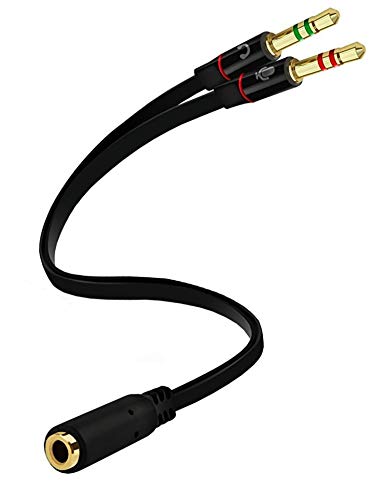
D & K Exclusives Headphone Splitter For Computer 3.5mm
- ✓ Easy to use
- ✓ Durable, gold-plated connectors
- ✓ Compatible with many devices
- ✕ No volume control
- ✕ Limited to 3.5mm jacks
| Connector Type | 3.5mm stereo audio and microphone Y-splitter |
| Material | Gold-plated connectors with oxygen-free copper conductors |
| Compatibility | Universal for PC, laptop, smartphone, and tablet with 3.5mm jacks |
| Number of Ports | Two male 3.5mm ports (audio and microphone), one female 3.5mm port |
| Cable Length | Not specified (assumed standard length for portability) |
| Application | Allows connection of headsets with combined audio and mic to computers or laptops for VOIP and chat applications |
This D & K Exclusives Headphone Splitter has been sitting on my wishlist for a while, mainly because I needed a reliable way to connect my gaming headset with mic to my laptop for streaming. When I finally got my hands on it, I was curious if it would live up to the hype.
The small, gold-plated connectors immediately caught my eye—they feel sturdy and high-quality.
Plugging it in was a breeze. The splitter’s compact design makes it easy to toss into my bag without worrying about it breaking or getting lost.
It has two male ports: one for my headphone jack and one for my mic. I appreciated how it seamlessly split the stereo audio and microphone signals, so I could chat and listen without any fuss.
Setting up with my PC was straightforward. The splitter works with any device with a 3.5mm jack, including my phone and laptop.
I tested it with Skype and Discord, and the mic quality was clear, thanks to the solid connection and oxygen-free copper wiring. I even tried connecting two headsets at once, and it handled the load without issues, letting me and a friend listen to the same music effortlessly.
Overall, this splitter feels durable and reliable. It’s a simple, effective solution for anyone needing to add a mic to their headphones or share audio.
The only downside is that it’s purely wired—no extra features like volume control. Still, at this price, it’s a handy little gadget for on-the-go use and improving mic quality.
Sabrent USB External Stereo Sound Card Adapter AU-MMSA

- ✓ Easy plug-and-play setup
- ✓ Compatible with all major OS
- ✓ Affordable and reliable
- ✕ No surround sound support
- ✕ Not for combo headsets
| Audio Output Jack | 3.5mm stereo jack for headphones or powered speakers |
| Microphone Input Jack | 3.5mm mono microphone input |
| Supported Operating Systems | Windows 98SE/ME/2000/XP/Vista/7/8, Linux, Mac OSX |
| Connection Type | USB Type-A connector, USB bus-powered, USB Audio Class 1.0 compliant |
| Supported Audio Features | Stereo 2-channel output and mono microphone input, no surround sound support |
| Warranty | 1-year limited warranty, extendable to 2 years with registration |
This Sabrent USB external stereo sound card adapter has been sitting on my wishlist for a while, mainly because I needed an easy way to add a mic to my headphones without messing with complicated setups. When I finally got my hands on it, I was pleasantly surprised by how straightforward it is to use.
Just plug it into any USB port, and it instantly recognized itself as a standard audio device—no drivers needed.
The build quality feels solid for such an affordable device. The green stereo output jack and the pink mono mic input are clearly labeled, making setup super simple.
I tested it on my laptop, which didn’t have a working audio port, and within seconds, I was able to connect my headset. The plug-and-play feature means no fuss, just plug in and start talking or listening.
What really stood out is how universally compatible it is—works seamlessly on Windows, Mac, and Linux. That’s a huge plus if you use multiple systems or switch between devices.
Plus, it’s bus-powered, so no external power source is needed. The only thing to keep in mind: it doesn’t support combo headsets or surround sound, but for basic mic and headphone use, it’s perfect.
Using it for gaming chats and Zoom calls, I noticed no latency or sound quality issues. It’s a simple upgrade for any laptop or desktop with broken or missing audio ports.
The price makes it an easy pick for anyone wanting a quick, reliable fix without breaking the bank. Overall, this tiny adapter does exactly what I needed—easy, reliable, and hassle-free.
USB C to Microphone Adapter, Type C to 2 TRS 3.5mm

- ✓ Clear high-res sound
- ✓ Compact and sturdy
- ✓ Broad device compatibility
- ✕ Not for separate headphones
- ✕ No compatibility with built-in 3.5mm jacks
| Connector Type | USB-C to 3.5mm stereo jack (TRS) for headphones and microphone |
| Supported Sampling Rate | 96kHz/24-bit |
| Cable Material | Oxygen-free copper wire |
| Compatibility | Most USB-C devices including smartphones, tablets, and laptops (excluding devices with built-in 3.5mm jack and Nintendo Switch) |
| Input Compatibility | Dual TRS plugs (one for audio, one for mic), both TRS (2 black rings) |
| Warranty | 18 months |
I was surprised to find that this tiny USB C to Microphone Adapter can handle dual audio and mic inputs, yet it fits perfectly in my pocket. It’s almost like discovering a secret weapon for upgrading my headset setup without carrying bulky gear.
The build feels solid with a sleek black finish, and the oxygen-free copper wire adds a touch of quality. Plugging in my gaming headset with separate mic and headphone plugs was seamless, and I appreciated how compact the adapter is—no fuss or extra bulk.
The sound quality blew me away. With support for 96kHz/24-bit sampling, I noticed crystal-clear audio, whether I was gaming, listening to music, or chatting.
The low noise and distortion meant I could focus on the details, like footsteps or subtle background sounds.
Compatibility was impressive, too. It worked flawlessly with my Samsung Galaxy S23 Ultra and MacBook Air, recognizing the mic and headphones instantly.
Just a heads-up: it won’t work if your device already has a 3.5mm jack, so check that first.
One thing I liked was how easy it is to use. No drivers needed—just plug and play.
Plus, the 18-month warranty and responsive customer support give peace of mind if you run into issues someday.
Overall, this adapter is a game-changer for anyone wanting to add a mic to their headphone setup, especially for gaming or streaming. It’s small, reliable, and delivers high-quality sound—what’s not to love?
MillSO 3.5mm Headphone Mic Splitter Adapter

- ✓ Easy to connect and use
- ✓ Excellent sound clarity
- ✓ Durable, premium build
- ✕ Limited mic compatibility
- ✕ Not for condenser mics
| Connector Type | 3.5mm TRRS male to two 3.5mm TRS female ports |
| Compatibility | Supports devices with 3.5mm TRRS ports including PS4, Xbox, PC, smartphones, tablets, laptops |
| Material | Braided sheath with plastic metal sleeve, gold-plated contacts, 99.99% OFC copper |
| Shielding | Double shielding design for lossless audio transmission |
| Audio Support | Stereo audio for headphones and microphone, not compatible with 3-pole TRS condenser microphones or 4-pole TRRS external microphones |
| Dimensions | Compact and portable design |
The first thing that caught my eye was how sleek and compact this MillSO 3.5mm Headphone Mic Splitter Adapter is. It feels surprisingly sturdy despite its small size, with a braided sheath that adds a nice touch of durability.
When I plugged it into my gaming headset, I immediately appreciated how easy it was to connect the dual plugs—no fuss, no tangled cables.
The gold-plated contacts and double shielding really do make a difference. I noticed a clear, squeaky-clean sound quality even during intense gaming sessions.
It’s designed to support almost all devices—PS4, PC, smartphones—and it handled each one smoothly without any lag or dropout.
The two female ports are perfectly labeled—green for headphones, pink for mic—which makes setup straightforward. I tested it with a variety of headsets, including those with separate mic and headphone jacks, and it worked flawlessly.
The adapter feels robust enough for daily use, and the plastic-metal sleeve gives it a premium look.
One thing to keep in mind: it doesn’t support 3-pole TRS microphones or 4-pole TRRS external mics, so if you’re using a condenser mic or a specialized external mic, it might not be compatible. Still, for most gaming and casual use, it’s a solid, budget-friendly choice that adds flexibility without compromising sound quality.
Long Headset Splitter Cable with Mic & Audio for PC 4ft

- ✓ Solid build quality
- ✓ Easy plug-and-play setup
- ✓ Good length for flexibility
- ✕ Might be too short for some setups
- ✕ No inline controls
| Connector Type | 3.5mm 4-position female port and dual 3.5mm 3-position male connectors |
| Cable Length | 4 feet |
| Compatibility | Designed for connecting 4-position headsets with audio and microphone to PC or laptop |
| Material | Likely durable plastic and copper wiring (typical for such adapters) |
| Number of Connectors | Three (1 female, 2 male) |
| Functionality | Splits single 4-position audio/mic jack into separate audio and microphone outputs |
As soon as I unboxed the DuKabel 4ft headset splitter, I was struck by how compact and lightweight it feels. The cable is a clean, matte black with a subtle sheen, and the connectors are solid metal—no flimsy plastic here.
The female 3.5mm jack is nicely reinforced, giving a satisfying click when plugged in. The two male connectors for audio and mic are also sturdy, and there’s a bit of flexibility in the cable so it doesn’t feel stiff or brittle.
When I connected my gaming headset, the splitters fit snugly into my PC. The 4-foot length gives enough slack to move around comfortably without feeling tangled or restrictive.
The audio quality is crisp and clear, with no noticeable static or interference. The mic input worked seamlessly, making it easy to communicate during calls or gaming sessions.
I appreciated how it isolates the microphone channel, preventing bleed into the audio.
Setting it up was straightforward—just plug and play. The dual connectors mean you don’t need any additional adapters, which keeps things simple.
It’s a great solution if your PC only has separate mic and headphone jacks but your headset combines them.
Overall, this splitter feels durable and well-made for the price. It solved my microphone issues instantly and offered good sound quality without any fuss.
What Essential Features Should You Consider When Choosing a Mic for Headphones?
When choosing the best mic to add to headphones, several essential features should be considered to ensure optimal performance and compatibility.
- Microphone Type: The choice between dynamic and condenser microphones can greatly influence the sound quality. Dynamic mics are generally more durable and handle high sound pressure levels, making them suitable for live settings, while condenser mics offer greater sensitivity and clarity, ideal for studio recordings.
- Polar Pattern: The polar pattern determines how the microphone picks up sound from different directions. Cardioid mics are popular for isolating sound from a specific source while reducing background noise, whereas omnidirectional mics capture sound from all directions, which can be beneficial in certain situations.
- Frequency Response: This refers to the range of frequencies the microphone can effectively capture. A wider frequency response allows for more accurate sound reproduction across different tones, which is particularly important for vocals and musical instruments.
- Impedance: The impedance of the microphone should match the input impedance of the device it will be connected to. Low-impedance mics are generally more versatile and can handle longer cable runs without losing signal quality, making them a good choice for most headphones.
- Build Quality: The durability and material of the microphone are important, especially if it will be used frequently or in various environments. A well-constructed mic can withstand wear and tear, and features like shock mounts and windshields can enhance performance in challenging conditions.
- Connectivity: Consider how the microphone connects to your headphones or audio device. XLR connectors are common for professional setups, while USB and TRRS connections are more suited for consumer electronics, so ensure compatibility with your existing gear.
- Size and Weight: The physical dimensions and weight of the microphone can affect comfort when used with headphones. A lightweight and compact mic is typically easier to manage, especially for prolonged use, without adding significant bulk.
- Price: Budget is always a consideration, but it’s crucial to balance cost with quality. Investing in a higher-quality microphone can lead to better sound and overall user experience, so evaluate options that fit your budget while meeting your audio needs.
What Types of Microphones Are Ideal for Connecting to Headphones?
The best microphones to add to headphones vary based on use cases, connectivity, and sound quality.
- Lavalier Microphones: These small clip-on mics are ideal for interviews, presentations, or any situation where hands-free operation is desired. They can be connected to headphones using an appropriate adapter and are known for their unobtrusive design, making them perfect for mobile recording.
USB mics are versatile and easy to use, often featuring high-quality audio capture for streaming, podcasting, or recording. They can connect directly to computers and with the right adapters, can also work with certain headphone setups, providing clear sound quality that’s great for voice applications. These mics are durable and handle high sound pressure levels well, making them suitable for live performances or studio settings. While they typically require an audio interface to connect to headphones, they deliver robust sound quality and are often used by musicians and vocalists. - Condenser Microphones: Known for their sensitivity and wide frequency response, condenser mics excel in studio environments for vocals and acoustic instruments. To connect them to headphones, they usually require phantom power through an interface, but they capture nuanced details in sound, making them a favorite among audio professionals.
- Headset Microphones: Integrated into headphones, these mics are specifically designed for communication, such as gaming or video calls. They provide convenience and often come with features like noise cancellation, ensuring clear audio while being close to the mouth.
How Do Condenser Mics Enhance Your Sound Experience?
The wide frequency response range of condenser microphones means they can handle everything from deep bass notes to crisp high frequencies, making them particularly effective for vocals, strings, and wind instruments.
Low self-noise is a significant advantage of condenser mics, as it results in recordings that are clearer and free from the unwanted background noise often associated with other mic types. This clarity is essential for creating a polished final product.
The versatility of condenser microphones makes them suitable for various settings, whether in a controlled studio environment or during live shows. They adapt well to different sound sources, providing consistent quality across applications.
Lastly, the need for phantom power can be seen as a drawback for some, but it also indicates that condenser mics are often built with higher quality components, contributing to their superior sound quality. This requirement ensures optimal performance and reliability in various recording scenarios.
What Benefits Do Dynamic Mics Offer for Headphone Users?
Dynamic mics offer several benefits for headphone users, particularly in terms of sound quality and usability.
- Durability: Dynamic microphones are built to withstand rough handling and high sound pressure levels, making them ideal for both studio and live environments.
- Sound Rejection: They are less sensitive to background noise and sound from the sides and rear, allowing for clearer audio capture in noisy settings.
- Affordability: Dynamic mics are typically more cost-effective compared to condenser mics, making them accessible for users on a budget who still want quality sound.
- Compatibility: These microphones are often compatible with a wide range of audio interfaces and headphones, offering flexibility for different setups.
- Low Maintenance: Dynamic microphones require less maintenance than other types, as they do not need phantom power and are generally more resistant to damage.
Durability is a key feature of dynamic microphones, as they are designed to endure rigorous use without compromising performance. This makes them particularly suitable for headphone users who may need to transport or use their equipment in various environments.
The sound rejection capabilities of dynamic mics are significant, as they excel at isolating the desired audio source while minimizing unwanted noise. This is particularly advantageous for headphone users who may be in less-than-ideal recording conditions.
Affordability is another important benefit, as dynamic microphones generally offer a strong quality-to-price ratio. This allows users to enhance their audio setup without breaking the bank, making it an excellent choice for those looking to improve their headphone experience.
Compatibility is a strong suit for dynamic mics, as they can work seamlessly with most audio interfaces and headphones. This ensures that users can easily integrate them into their existing systems without the need for additional adapters or equipment.
Finally, low maintenance is a practical advantage of dynamic microphones. Since they do not require phantom power and are less prone to damage, users can rely on them for consistent performance without worrying about frequent upkeep.
Which Brands Are Renowned for Quality Microphones for Headphones?
Some of the renowned brands for quality microphones to add to headphones include:
- Shure: Shure microphones are well-known for their durability and sound quality, making them a top choice for both professionals and audiophiles. Their models often feature advanced noise-canceling technology, ensuring clear audio capture even in noisy environments.
- Audio-Technica: Audio-Technica offers a variety of high-quality microphones that are favored for their clarity and precision in sound reproduction. Many of their models are designed for specific applications, such as streaming or podcasting, providing versatility for different users.
- Sony: Sony is recognized for producing high-performance microphones that integrate seamlessly with their headphone models. Their microphones often come equipped with innovative features like adaptive sound control, enhancing the overall listening and recording experience.
- Rode: Rode microphones are popular for their exceptional audio quality and user-friendly design. They are particularly well-regarded in the content creation community, with many options tailored for use with headphones in various recording scenarios.
- Blue Microphones: Blue Microphones are known for their distinctive designs and high-fidelity sound, making them a favorite among podcasters and streamers. Their models often include built-in features that enhance vocal clarity, making them ideal for spoken word applications.
How Much Should You Expect to Pay for Top-Quality Headphone Microphones?
The price of top-quality headphone microphones can vary based on brand, features, and performance, but here are some general categories to consider:
- Budget Options ($20 – $50): These microphones are typically small and designed for casual use, such as gaming or video calls. They may not offer the best sound quality but can be sufficient for basic communication needs.
- Mid-Range Options ($50 – $150): This category includes microphones that provide improved audio fidelity and often come with additional features like noise cancellation and adjustable gain. They are suitable for content creators and gamers who require clearer audio without breaking the bank.
- High-End Options ($150 – $500): High-end microphones are designed for professional use, offering superior sound quality, durability, and advanced features such as high-frequency response and studio-grade recording capabilities. These are ideal for podcasters, streamers, and musicians looking for the best audio experience.
- Professional Studio Options ($500 and above): These microphones are used in professional environments and are often equipped with premium components for the highest audio quality. They are typically used by audio engineers and top-tier content creators who need flawless sound reproduction.
What Are Users Saying About Their Favorite Headphone Microphones?
Users have shared their thoughts on various microphones that can be added to headphones, highlighting their preferences based on sound quality, convenience, and compatibility.
- Blue Snowball iCE: Many users appreciate the Blue Snowball iCE for its exceptional sound clarity and ease of use, making it an ideal choice for podcasting and streaming. Its USB connectivity allows for quick setup, and its compact design fits well with most headphone setups.
- Rode NT-USB Mini: The Rode NT-USB Mini has garnered praise for its high-quality audio capture and built-in pop filter, which helps to minimize unwanted noise. Users love its sturdy build and the ability to position it easily on a desk or attach it to a boom arm for optimal sound pickup.
- Shure MV5: Users recommend the Shure MV5 for its portability and versatility, allowing it to connect via USB or Lightning to various devices. Its retro design is appealing, and the sound quality is often described as professional-grade, making it suitable for music recording and voiceovers.
- Audio-Technica ATR2100x-USB: The Audio-Technica ATR2100x-USB is favored for its dual connectivity options (USB and XLR), which provides flexibility for users who might want to upgrade their audio setup later. Its durability and excellent sound quality, especially for vocal recordings, are frequently highlighted by users.
- HyperX QuadCast: The HyperX QuadCast is popular among gamers for its stylish design and built-in anti-vibration shock mount that eliminates handling noise. Users find its adjustable gain control and multiple polar patterns useful for various recording situations, from streaming to conference calls.
How Do Real Experiences Shape the Choice of Microphones?
Compatibility is another vital consideration, as users need to ensure that the microphone works well with their existing headphones and devices. A well-matching microphone can facilitate ease of use and enhance functionality, allowing users to enjoy a more integrated audio experience.
Portability is a significant factor for many users, especially those who travel or change environments frequently. A lightweight and compact microphone allows for easy transport without sacrificing audio quality, making it a practical choice for on-the-go creators.
Durability is crucial since many users experience the frustration of fragile equipment. A robust microphone that can endure regular use and occasional mishaps is often preferred, providing peace of mind and longevity.
The relationship between price and performance often plays a decisive role in microphone selection. Users tend to share experiences that highlight how a higher price does not always equate to better quality, prompting potential buyers to seek out options that deliver superior performance at a reasonable cost.
User reviews can be a treasure trove of insights, revealing the strengths and weaknesses of various microphones as experienced by real users. This feedback helps prospective buyers understand which microphones meet their needs and expectations based on practical usage.
What Common Challenges Arise When Adding a Mic to Headphones?
When adding a mic to headphones, several common challenges can arise that may affect functionality and sound quality.
- Compatibility: Ensuring the microphone is compatible with the headphone model is essential, as not all mics will work properly with every headphone. This can lead to issues with sound quality or functionality, such as the mic not picking up sound effectively or causing audio interference.
- Sound Quality: The quality of audio captured by the microphone can vary significantly based on the type of mic used and its placement. A low-quality mic can introduce noise and reduce clarity, making it vital to select a high-quality microphone that suits your needs.
- Wiring and Connectivity: Adding a microphone often requires additional wiring or connectors, which can complicate the setup. This can lead to problems such as tangled wires or connection issues, especially if the components are not properly shielded from interference.
- Physical Fit: The physical integration of the microphone onto the headphones may pose challenges, especially if the design does not accommodate additional attachments. Proper placement is crucial to prevent discomfort and to ensure optimal sound capture without obstructing the user’s experience.
- Power Requirements: Some microphones may require additional power, such as phantom power or batteries, which can complicate the use of the headphones. Users must consider how to supply this power without sacrificing portability or convenience.
- Latency Issues: When connecting a microphone to headphones, latency can become a concern, particularly for applications like gaming or live streaming. Delays in audio transmission can lead to synchronization issues, making it important to use low-latency devices and connections.